Lebanon's Infinite Crisis, Explained
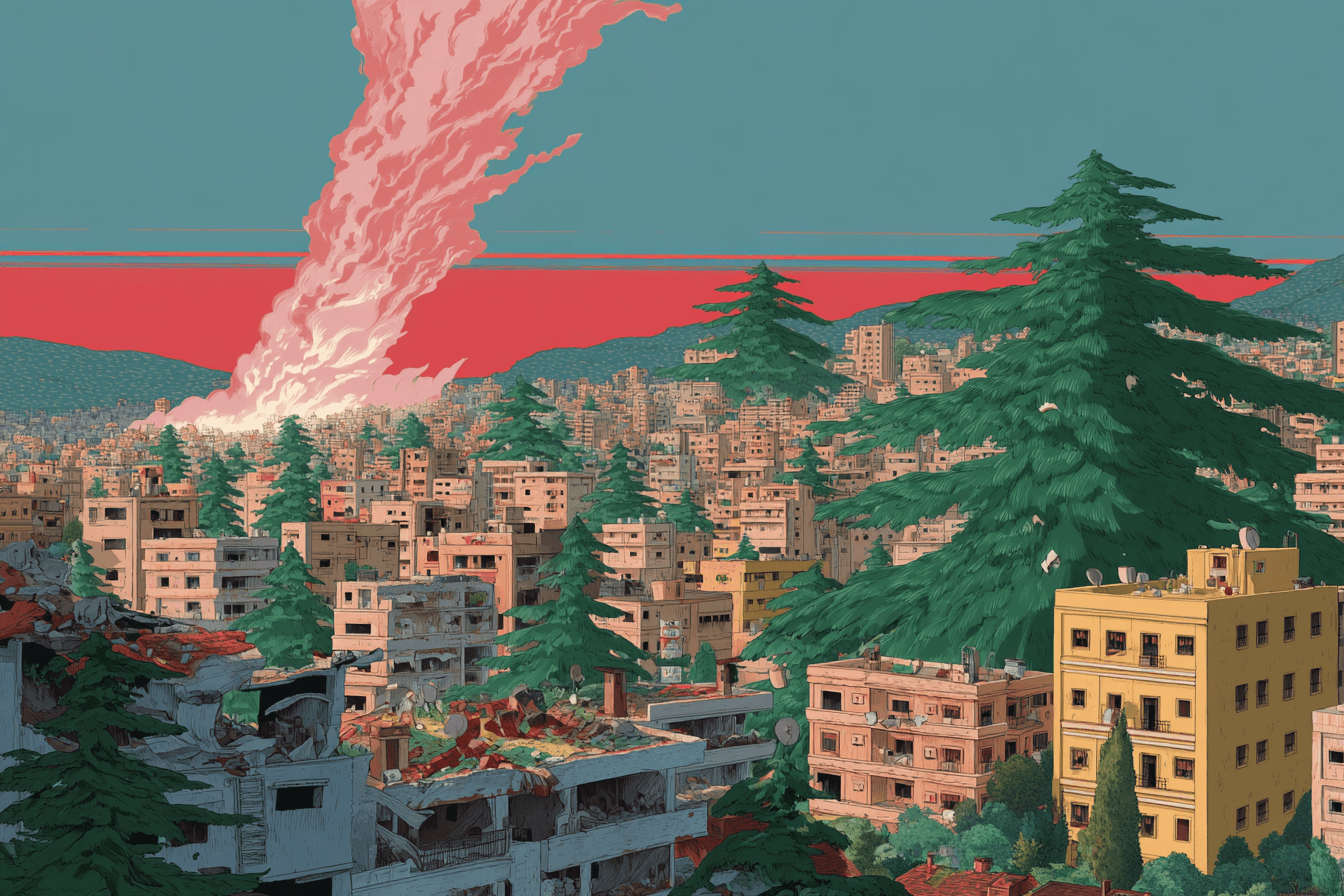
Since 2019, the Lebanese pound has collapsed by more than 98%, banks have frozen savings, electricity has largely vanished and yet daily life persists. How does a country absorb economic freefall and keep moving?
We used to write about tourism, now we write about everything.
Power, money, systems, statecraft, crisis and the stories shaping how cities and countries actually function.
The centuries-old trust network that still moves billions across borders with no paperwork and no app
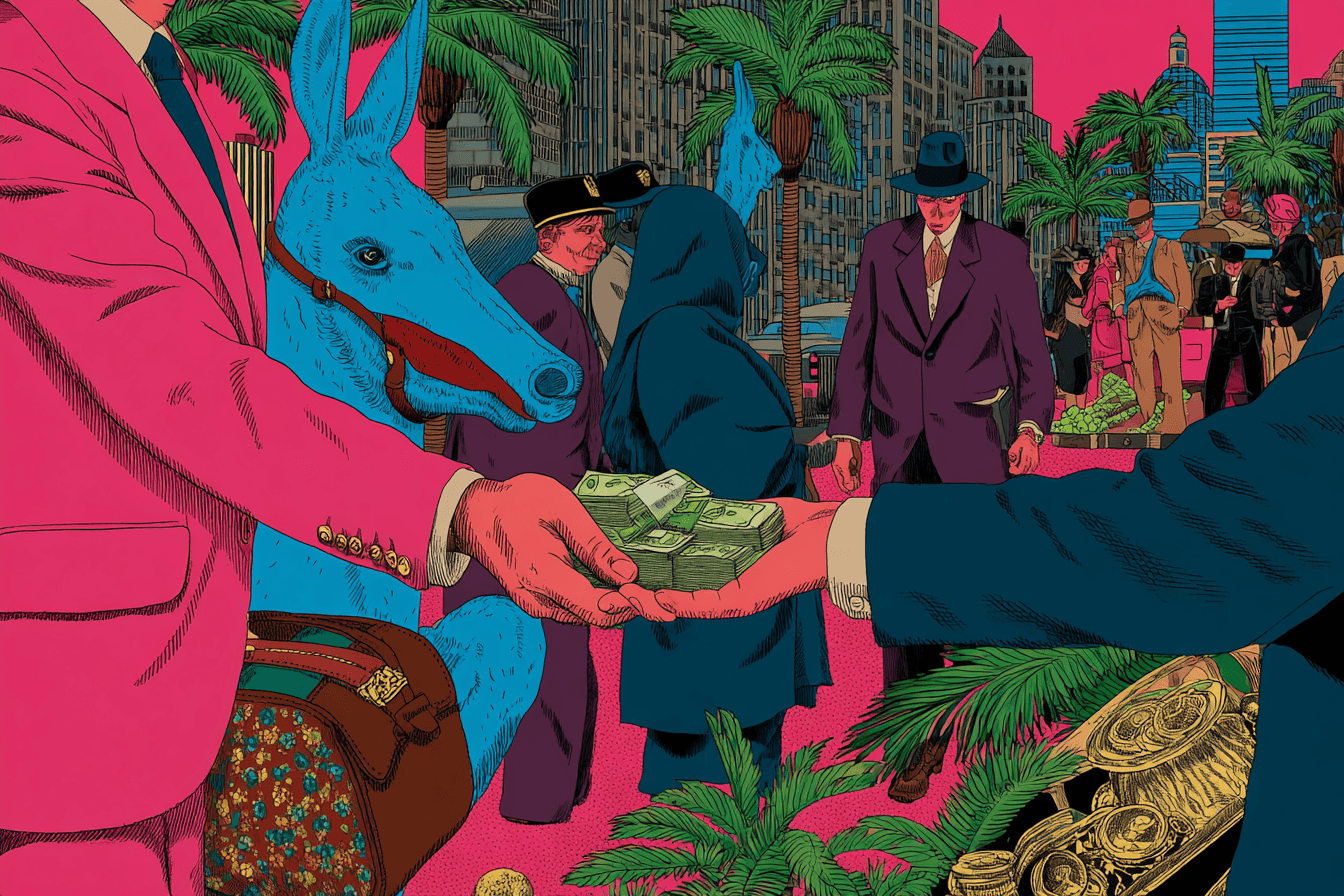
From Somali remittances to Afghan markets and Western terror investigations, hawala operates as the world's oldest parallel financial system — informal, resilient, and still moving billions outside the view of modern banking.
Since 2019, the Lebanese pound has collapsed by more than 98%, banks have frozen savings, electricity has largely vanished and yet daily life persists. How does a country absorb economic freefall and keep moving?
Greenland is discussed in Washington, Copenhagen and Beijing as a strategic prize. But beneath the Arctic rhetoric lies a quieter question: how does a nation of 56,000 build independence without becoming someone else’s asset?
From streaming platforms to razor blades and AI tools, recurring billing has reshaped spending habits. Convenience became commitment. Commitment became default.
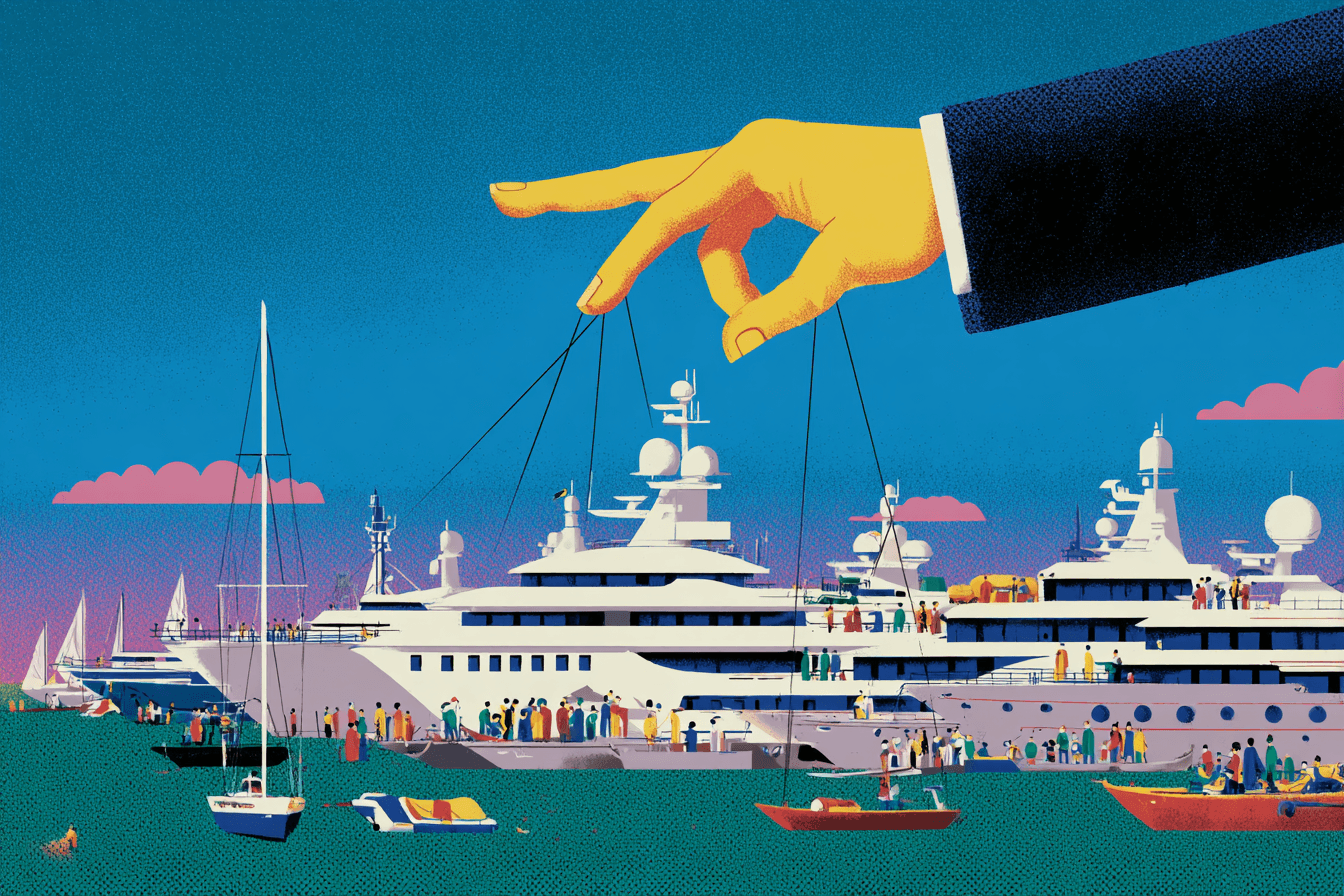
From sovereign wealth funds to Golden Visa investors, control of Mediterranean coastlines is shifting through balance sheets rather than flags. The sea remains open. Its most valuable edges do not.
Residency visas, tax arbitrage and mobility incentives have turned nationality into strategy. In 2026, where you live is less about identity and more about optimisation.