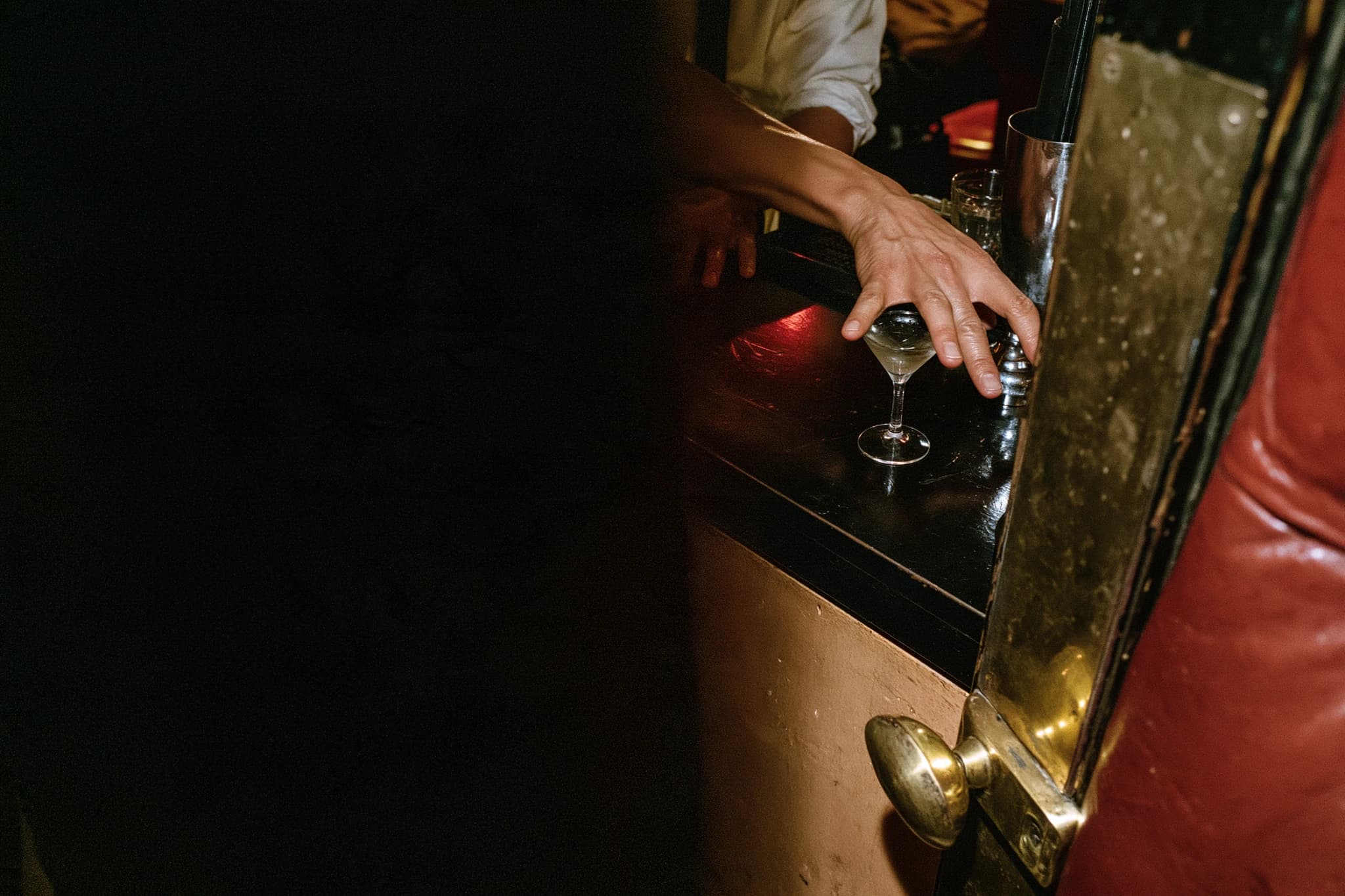
Best Cafés in Madrid for Reading, Writing and Hiding Out
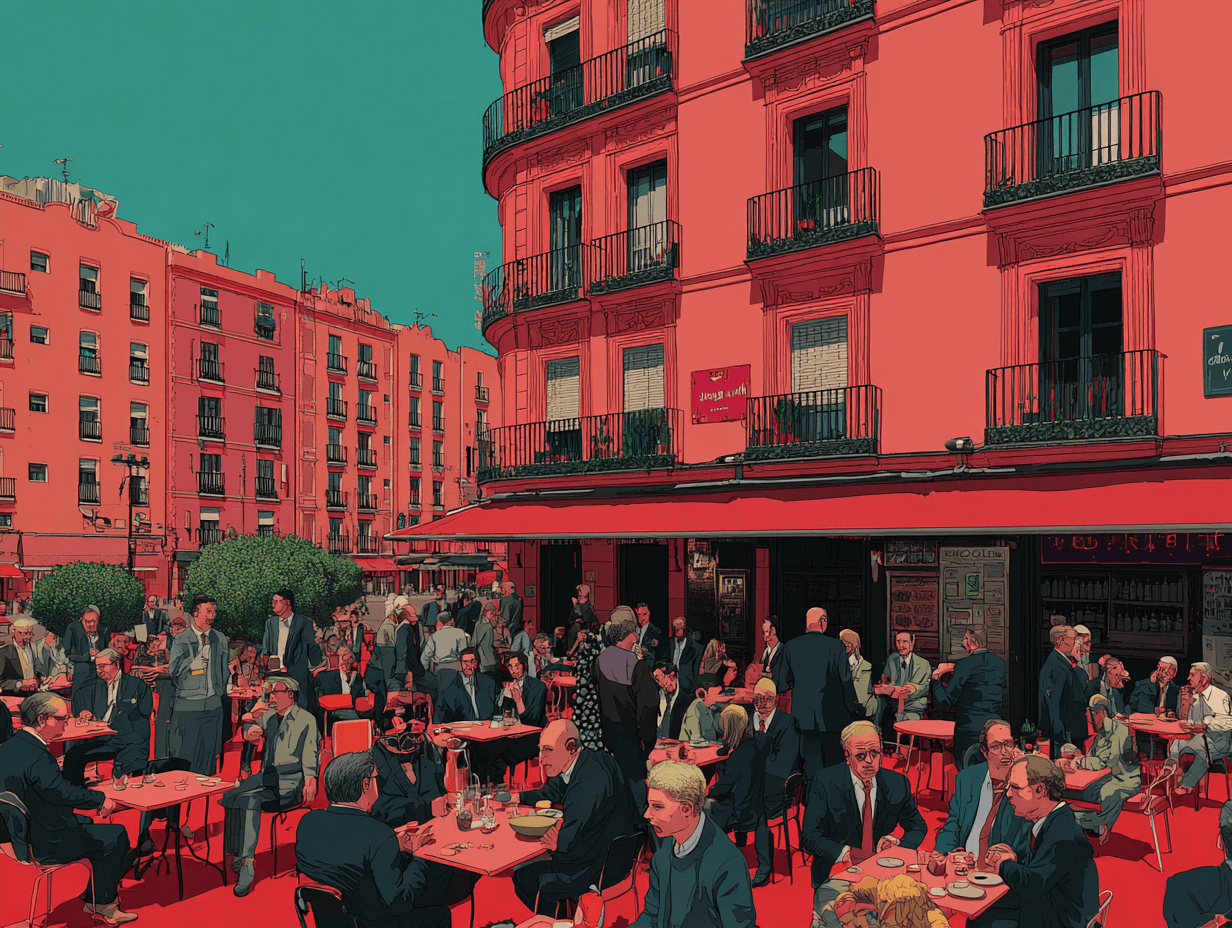
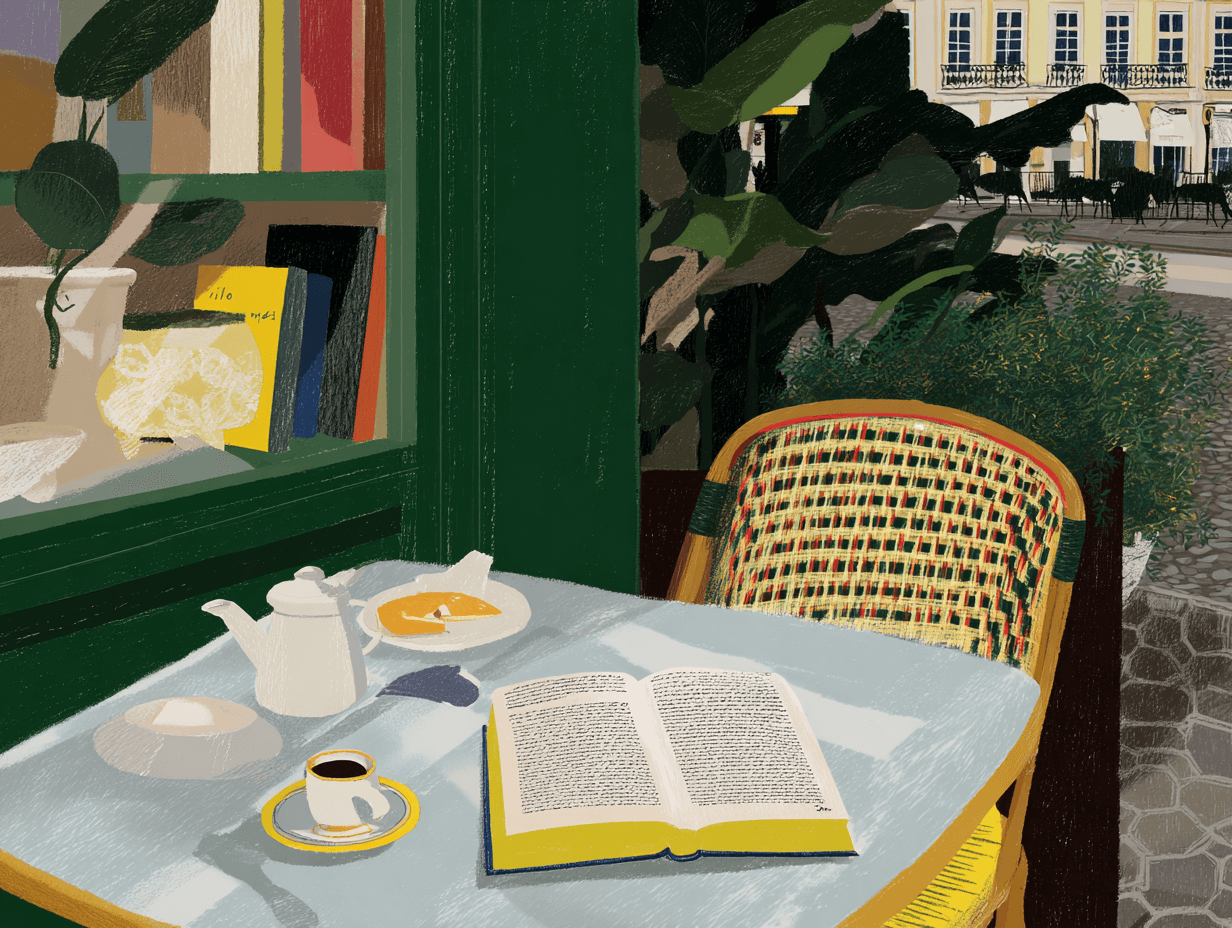
The best cafés in Madrid for reading, writing and hiding out are not just places with good coffee. They are places with the right atmosphere, the right light and the right kind of urban calm.
We used to write about tourism, now we write about everything.
Longform culture, affairs, politics, systems and city life with a longer memory.
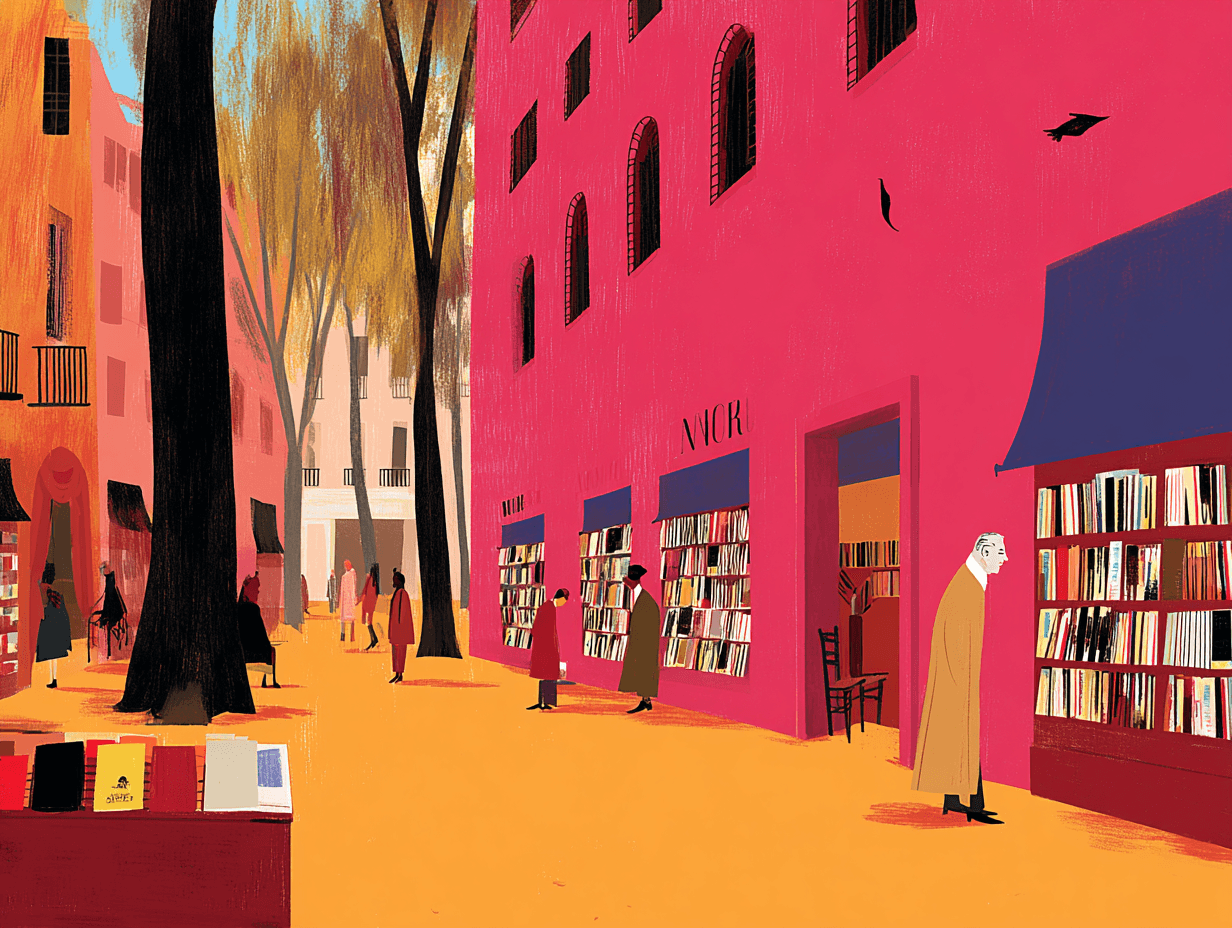
The shelves, rooms and slower cultural stops that reveal a quieter, sharper Madrid
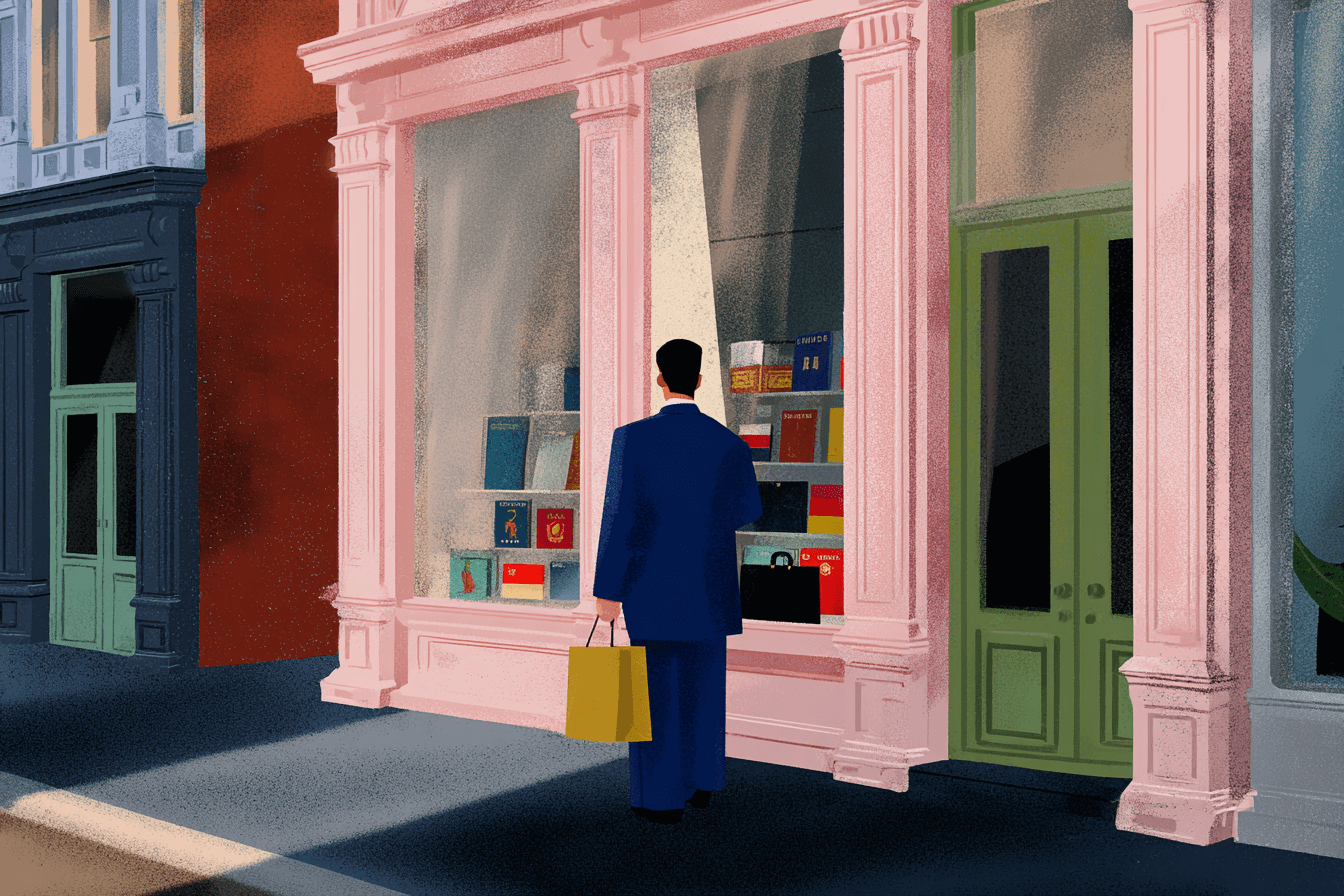
The best bookshops in Madrid are not just places to buy books. They are places that change the pace of the day, deepen a district and make the city feel more intelligent and more lived in.
The best cafés in Madrid for reading, writing and hiding out are not just places with good coffee. They are places with the right atmosphere, the right light and the right kind of urban calm.
Madrid still has better night energy than bigger European capitals not because it tries harder, but because it understands continuity: the way a city should move from afternoon to night without becoming artificial.
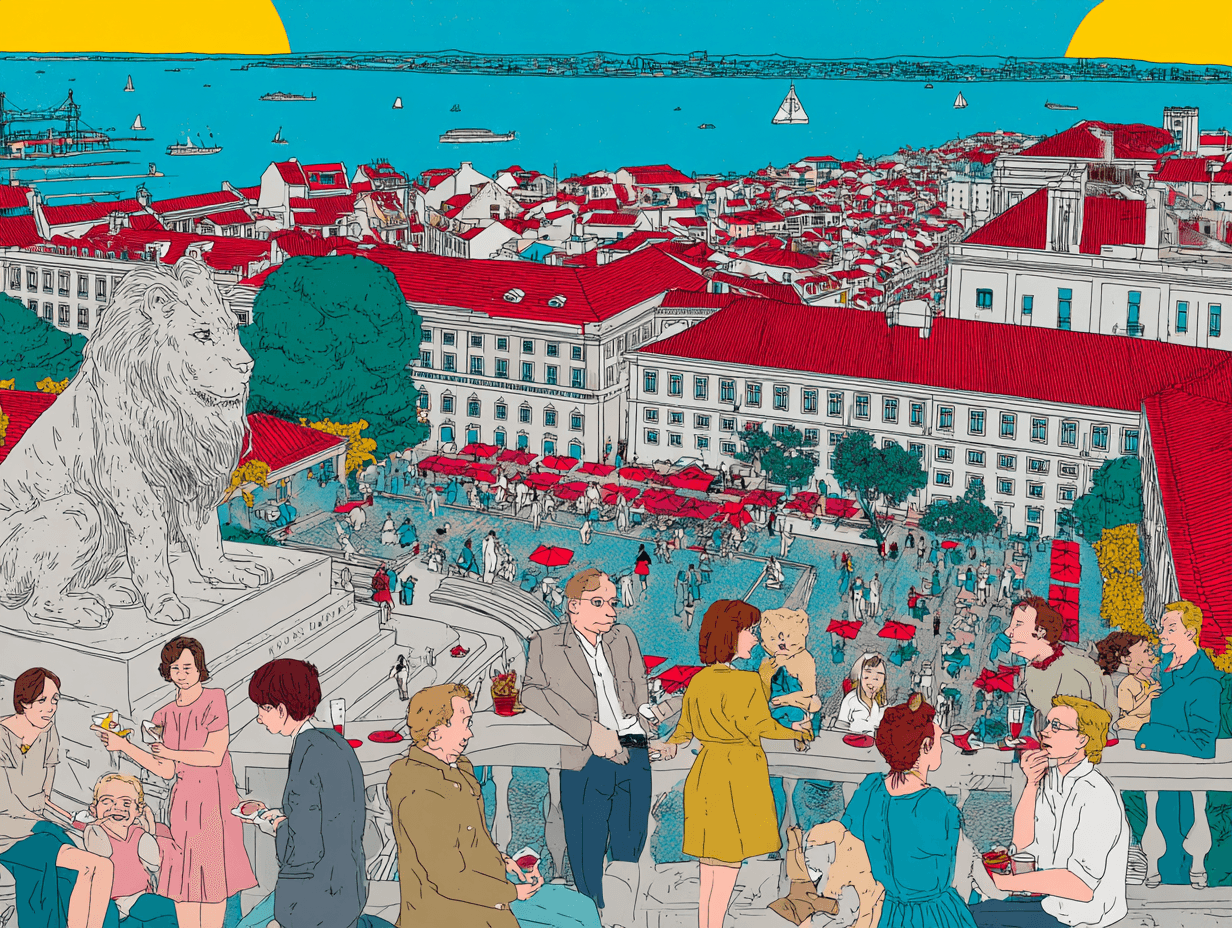
These are the Lisbon bookshops worth your time right now: places with atmosphere, history, taste and enough identity to justify a proper detour.
From specialty-coffee spots in Chiado to calmer corners for a notebook, a draft and a long morning, these are the Lisbon cafés worth disappearing into.
From antique-lined stretches in São Bento to nightlife arteries near Cais do Sodré and the quieter elegance of Príncipe Real, these are the streets in Lisbon worth walking properly.
Lisbon still does weekends better than cities with more money, more openings and more noise. The reason is not hype. It is rhythm.
A LocoWeekend look at why younger Europeans are drinking less, how no- and low-alcohol culture keeps growing, and why nightlife is being redesigned around moderation, health and control.
Berlin built its reputation on freedom, nightlife and creativity. But in 2026 the question is increasingly asked: has the city lost the edge that made it famous?
Some cities merely screen films. Others build entire cultural ecosystems around them. For cinephiles, the best destinations are not just places with multiplexes, but cities where archives, repertory programming, festivals, neighbourhood cinemas and public conversation keep film alive.
Why independent record shops in the UK still matter in the streaming age, and how vinyl's return turned physical music back into a culture rather than just a format.
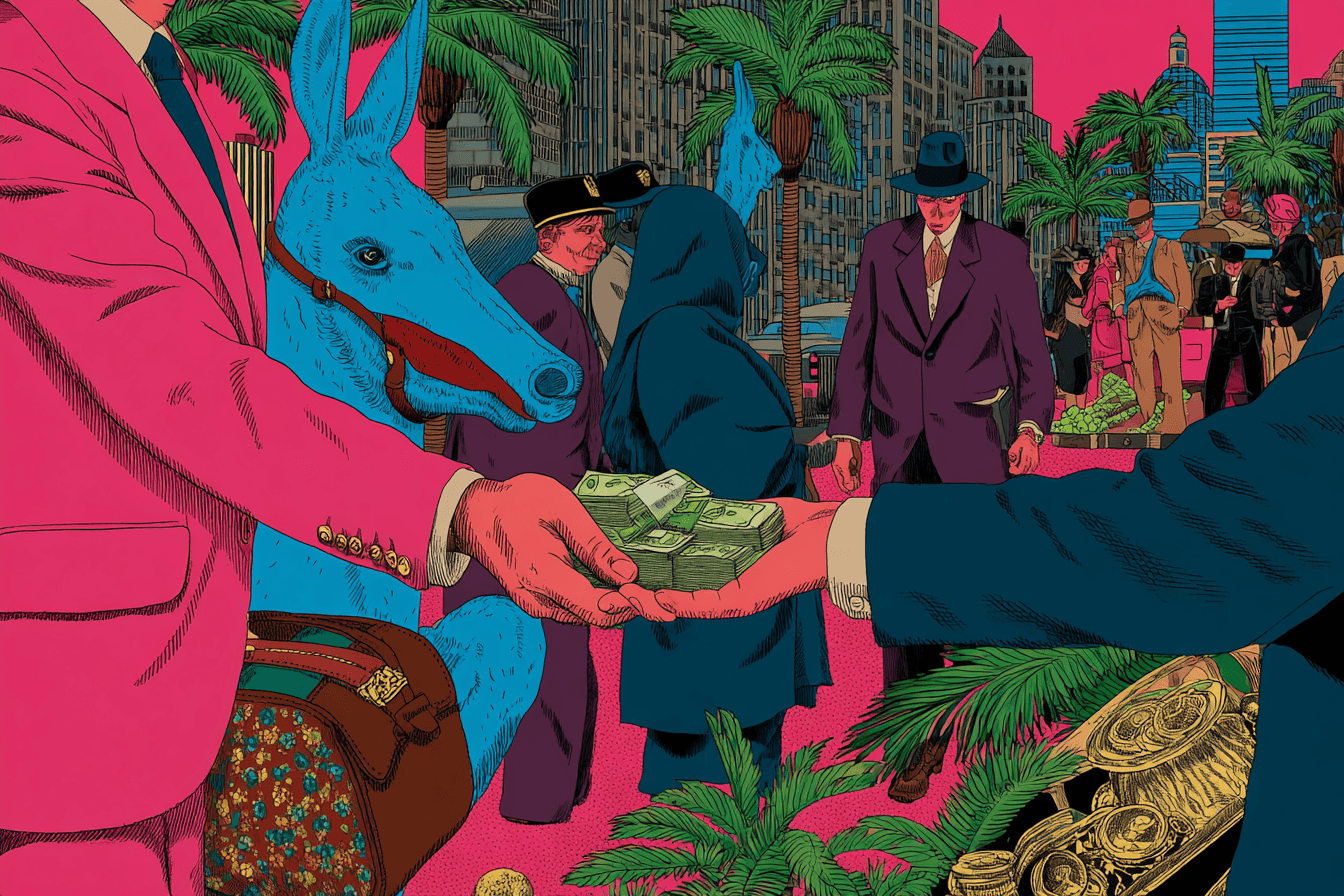
From Somali remittances to Afghan markets and Western terror investigations, hawala operates as the world's oldest parallel financial system — informal, resilient, and still moving billions outside the view of modern banking.
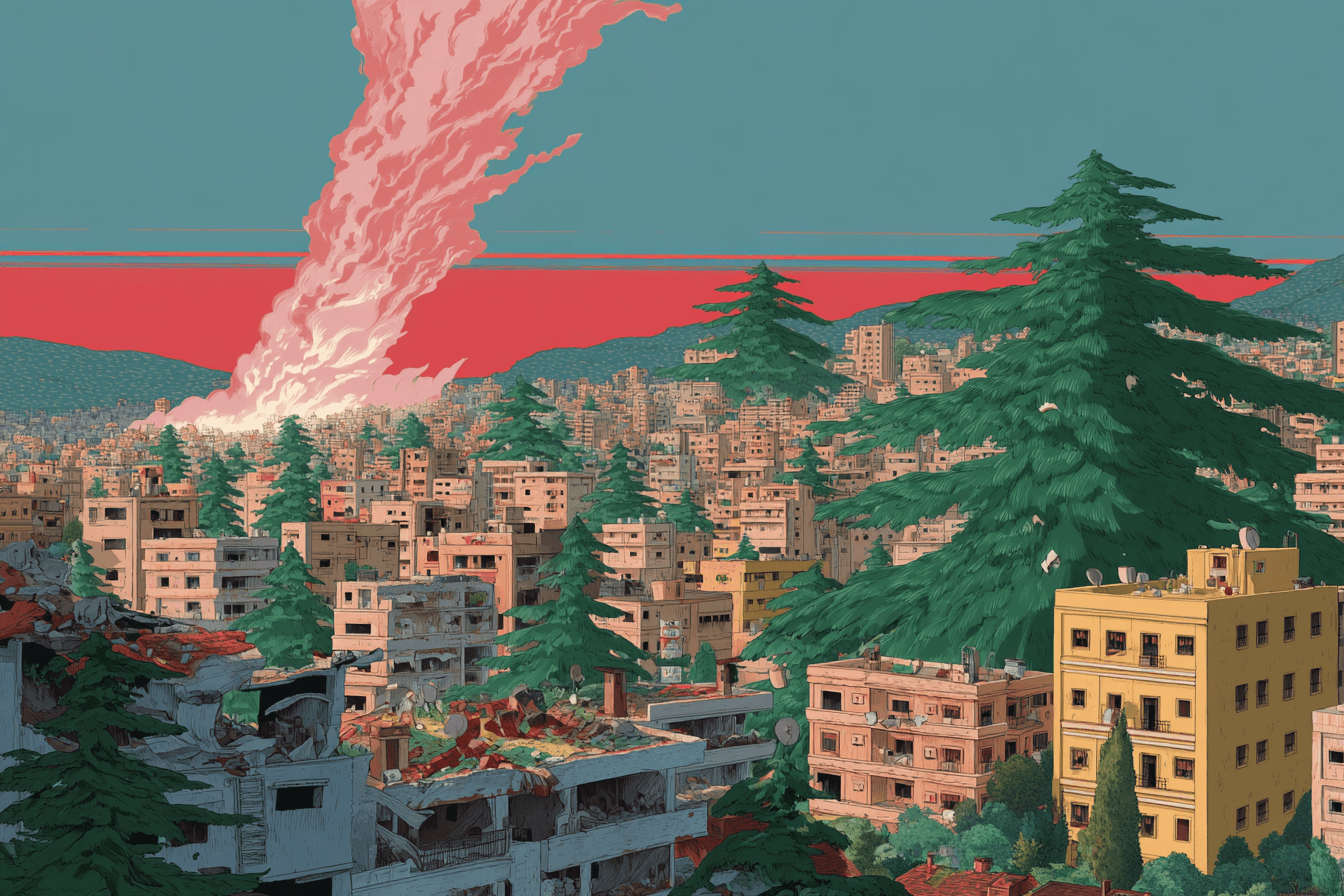
Since 2019, the Lebanese pound has collapsed by more than 98%, banks have frozen savings, electricity has largely vanished and yet daily life persists. How does a country absorb economic freefall and keep moving?
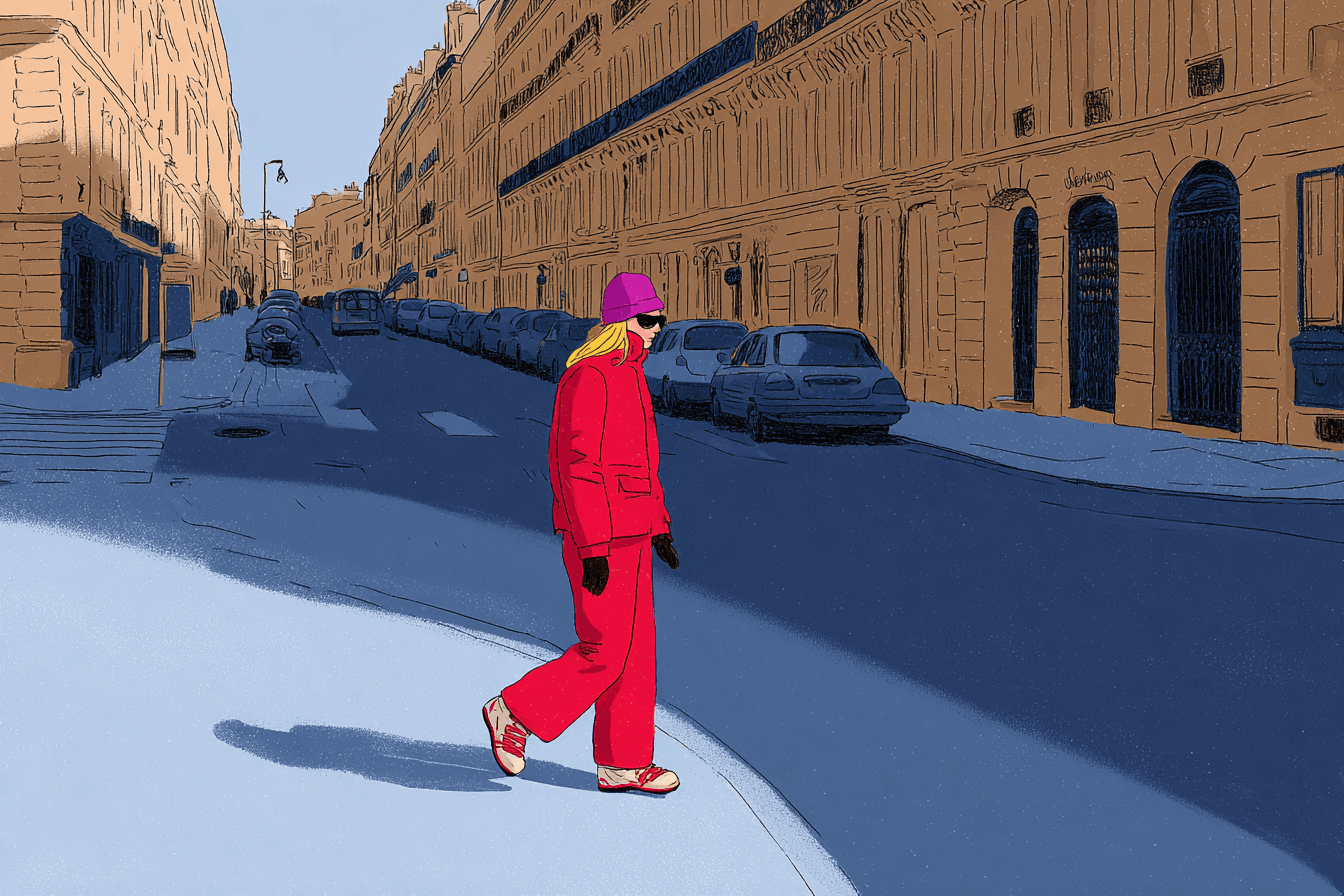
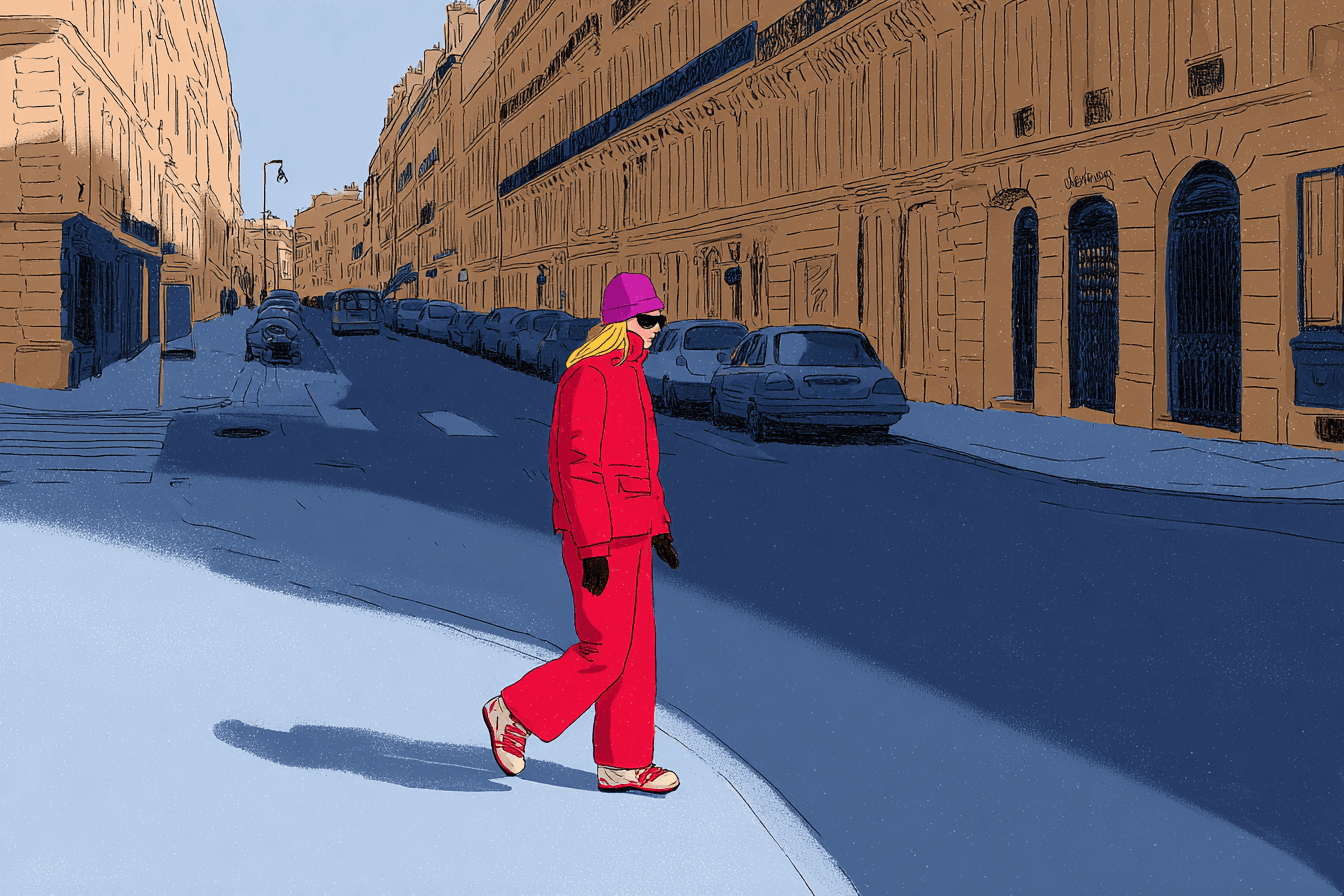
From Shoreditch to SoHo to Le Marais, technical outerwear became the urban uniform. But every aesthetic cycle peaks. The outdoor-luxury moment is flattening — and workwear is waiting.
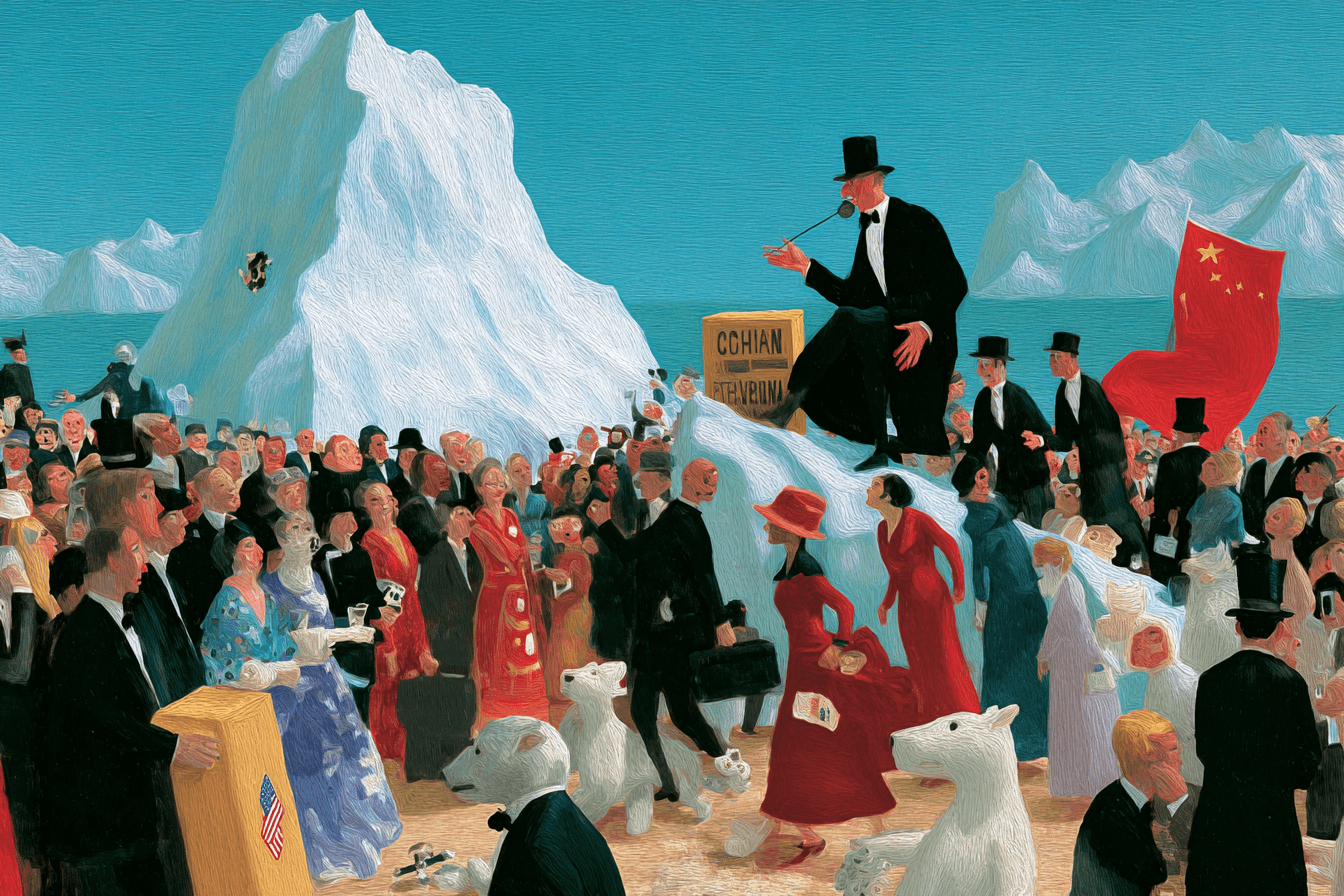
Greenland is discussed in Washington, Copenhagen and Beijing as a strategic prize. But beneath the Arctic rhetoric lies a quieter question: how does a nation of 56,000 build independence without becoming someone else’s asset?
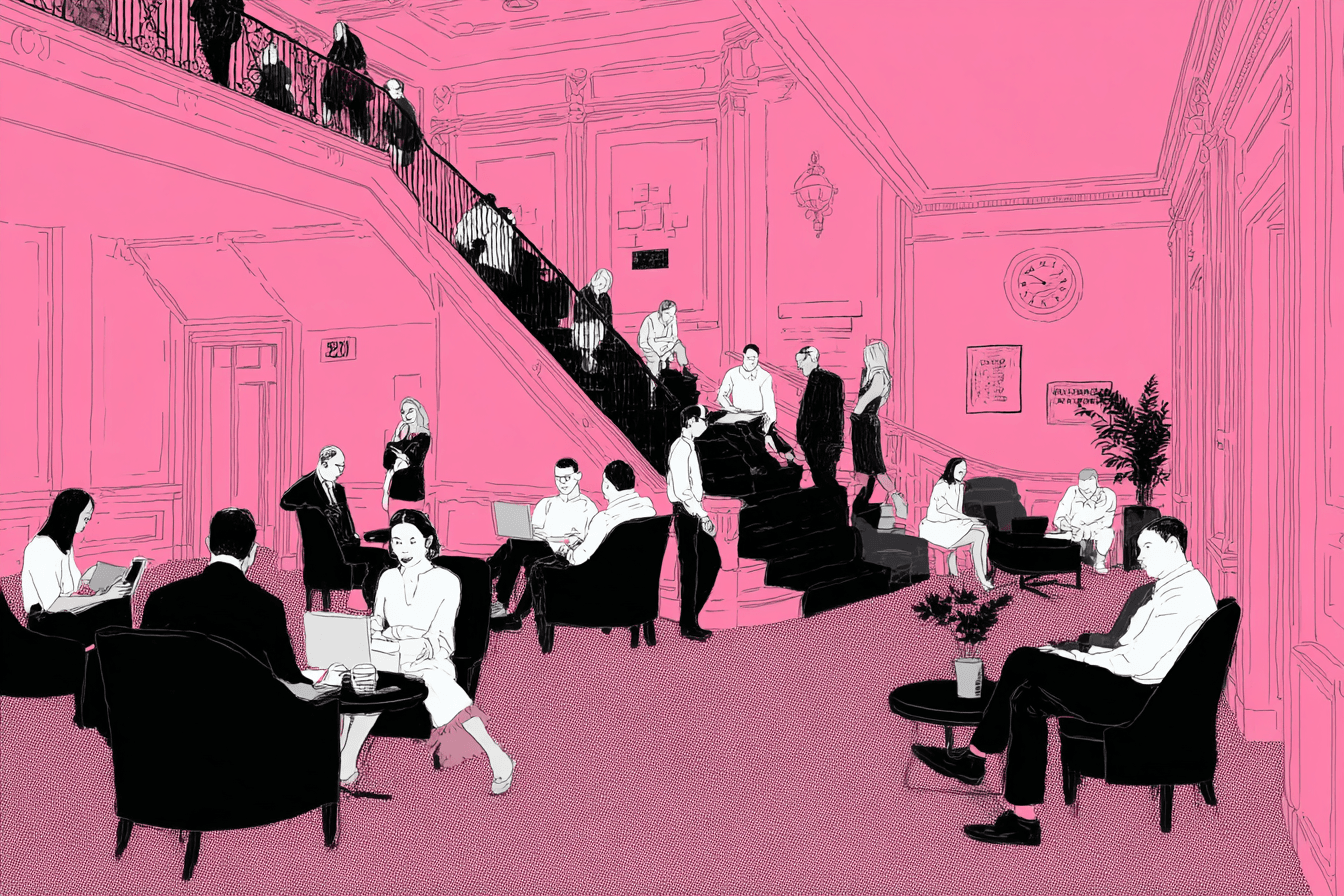
From Amsterdam to Shoreditch to SoHo, the hotel lobby has quietly become the most valuable square footage in the building — monetising remote workers, freelancers and locals who never book a room.
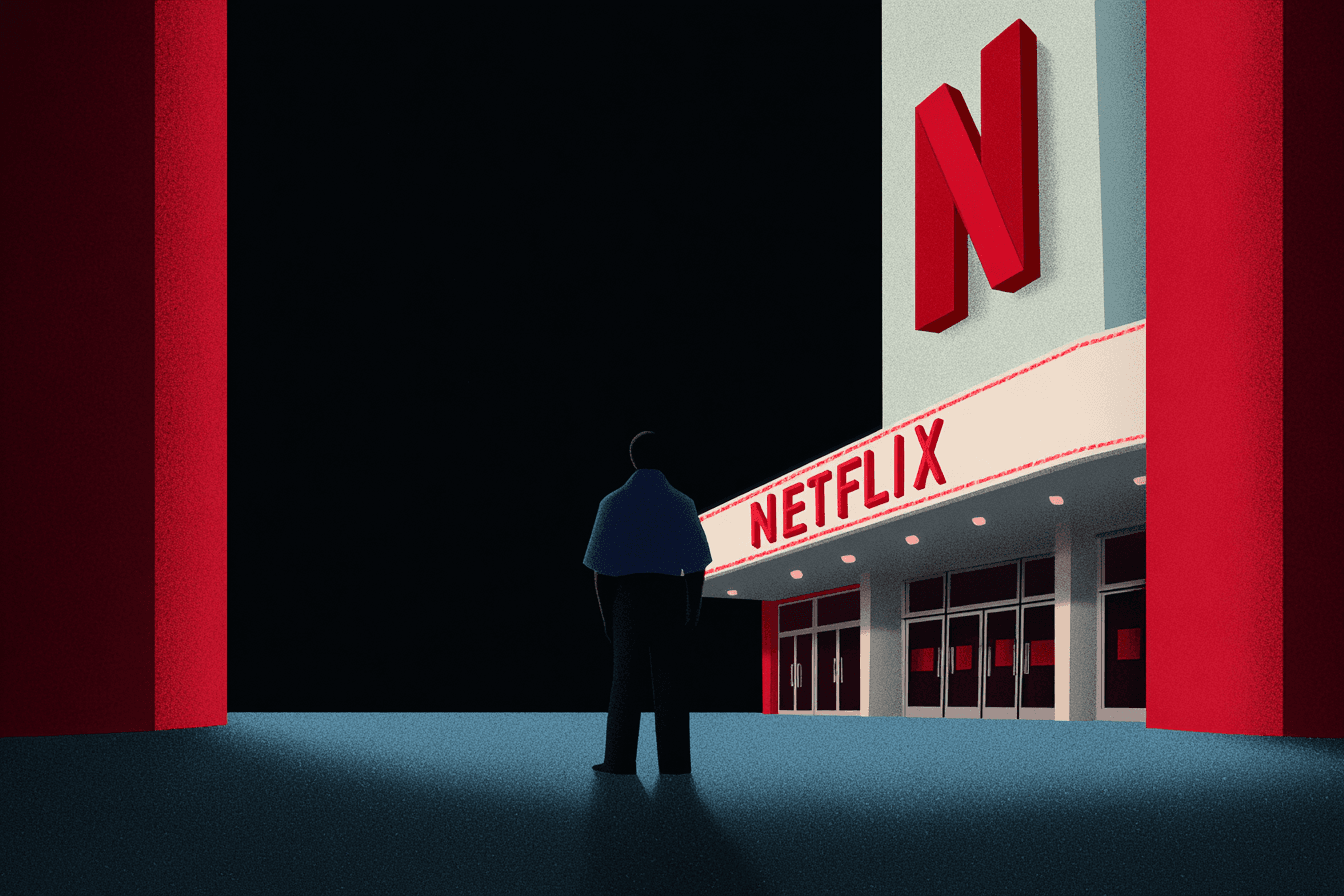
Budgets keep climbing, yet the work feels flatter: safer scripts, noisier spectacle, rushed finishing and fewer films that genuinely divide opinion. Streaming didn’t kill cinema outright. It rewired what movies are for.
From streaming platforms to razor blades and AI tools, recurring billing has reshaped spending habits. Convenience became commitment. Commitment became default.
From sovereign wealth funds to Golden Visa investors, control of Mediterranean coastlines is shifting through balance sheets rather than flags. The sea remains open. Its most valuable edges do not.
After the streetwear decade, menswear is shifting from logos to language: cut, fabrication, restraint, and ideas. The money is moving too — and the creative director chairs suggest this isn’t a trend but a structural reset.
Residency visas, tax arbitrage and mobility incentives have turned nationality into strategy. In 2026, where you live is less about identity and more about optimisation.
Shoreditch didn’t collapse. It professionalised. The numbers, the language, and the leases explain why — and what ‘cool’ costs once attention turns into yield.
Every new opening looks the same: fluted panels, terrazzo, oat milk on tap. We walked twelve cafés in Zone 2 and couldn't tell them apart. Here's what happened to personality.