Best Hotel Lobby Bars in Europe
Where grandeur, people-watching and proper drinks still meet
Europe / Drinks
From London and Florence to Monte-Carlo, these are the hotel lobby bars in Europe that still feel worth dressing for.
Best Hotel Lobby Bars in Europe
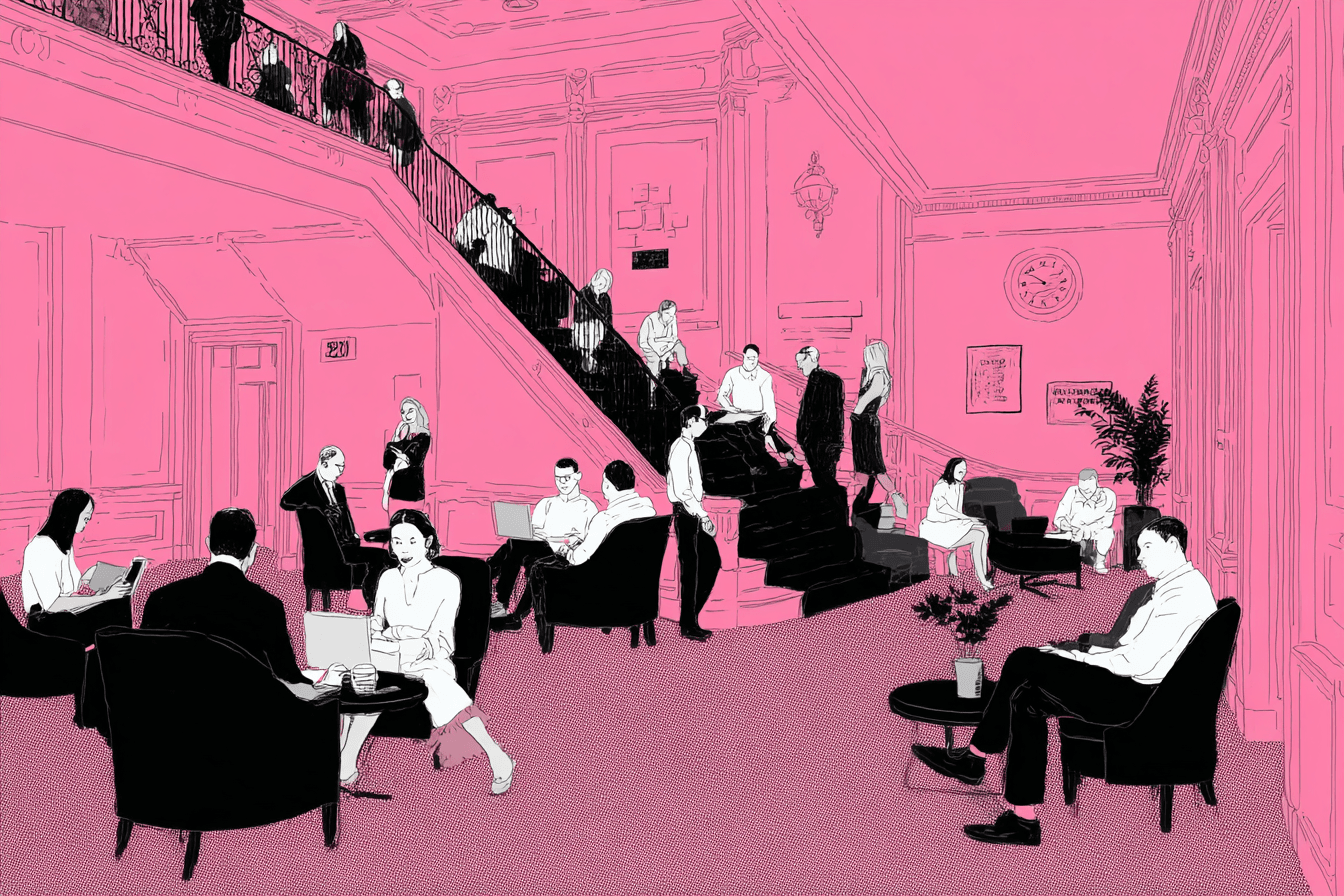
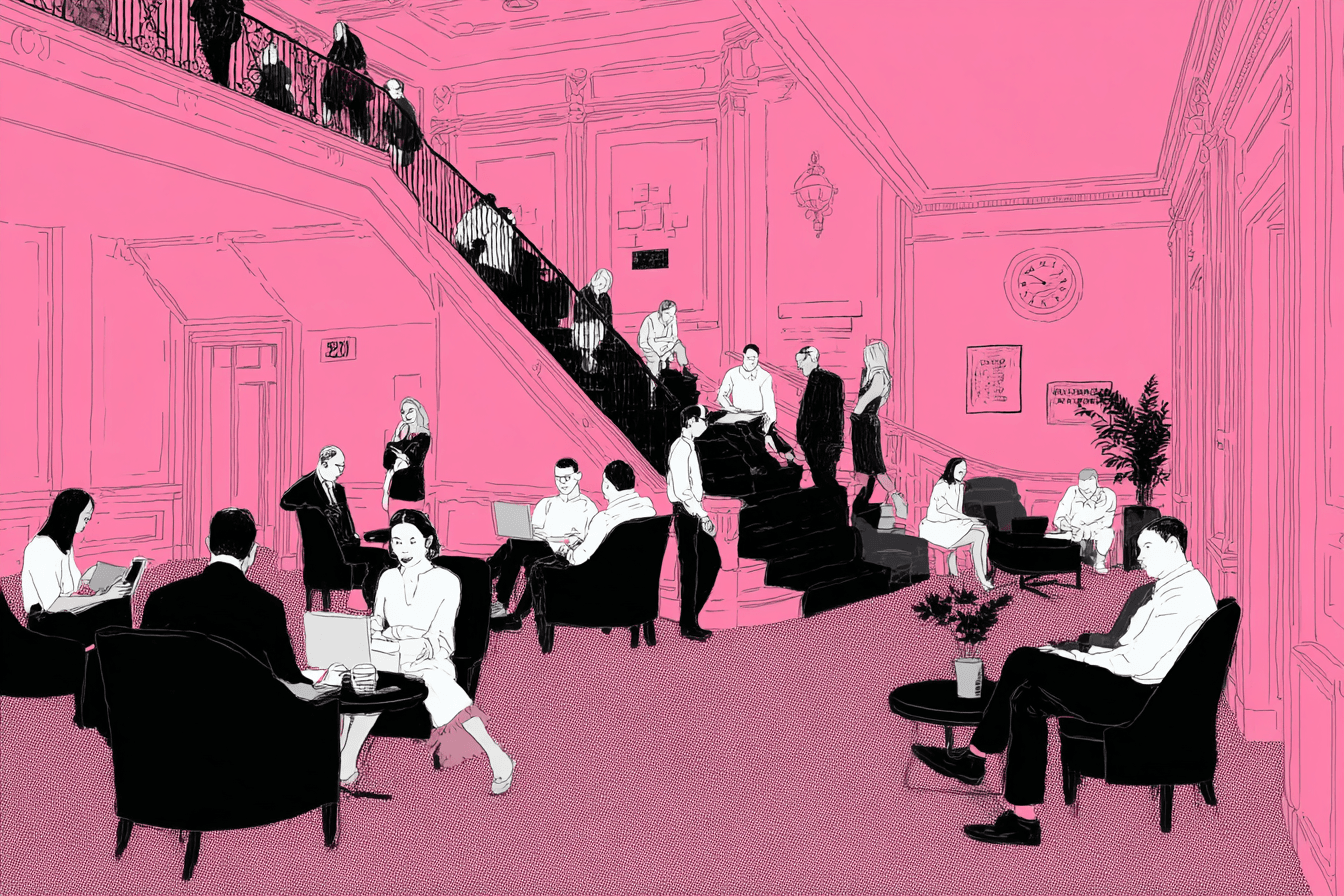
A hotel lobby bar can fail in two opposite ways. It can be all ceremony and no life, a beautiful waiting room serving expensive irrelevance. Or it can flatten itself into generic hospitality, all smooth surfaces and no real sense of occasion. The great ones avoid both mistakes. They are not merely luxurious. They are socially useful. They give strangers, residents, travellers and the slightly over-dressed a room in which being out still feels like something.
Europe remains the natural home of this form. Not because every grand hotel on the continent has solved the assignment, but because Europe still has enough cities where old-world architecture, civic theatre and drinking culture overlap convincingly. The best hotel lobby bars in Europe work because they understand that a bar attached to a hotel is not an excuse for a bar. It is a stage with built-in tension: arriving and leaving, anonymity and display, locals and guests, transit and pause. Used properly, that tension is magic.
This guide is trying to identify the places where it still works. Not every good hotel bar. The ones with real gravity. The ones you would actually cross town for even if you were not staying upstairs. The ones that turn a drink into an hour, an hour into a night, and a room into part of the city’s social memory.
It also belongs naturally with the rest of the drinks cluster here: Best Natural Wine Bars in Europe, Best Wine Bars in Lisbon Right Now, and eventually city pieces for London, Paris, Milan and beyond.
What makes a hotel lobby bar worth it?
Not opulence alone. Europe has enough velvet and brass already.
The best hotel lobby bars in Europe do a few things at once. They hold atmosphere before you order. They make service feel calm rather than robotic. They let the architecture matter without hiding behind it. They support different uses of the room — one drink alone, a first meeting, an hour of people-watching, a late cocktail after dinner — and they still feel coherent across all of them.
They also understand that a hotel bar’s biggest asset is permeability. The room should belong to the city as much as the hotel. Once it becomes too sealed off, it loses the friction that makes it interesting.
Claridge’s — The Painter’s Room / The Fumoir, London
Claridge’s remains one of the reference points because it understands the relationship between ritual and ease better than most luxury hotels. Even the hotel’s own materials frame The Painter’s Room as a contemporary, art-led cocktail space and continue to position The Fumoir as one of the hotel’s iconic rooms. That matters because truly great hotel bars are rarely one-note. Claridge’s offers different registers of glamour inside the same larger world.
The deeper reason Claridge’s belongs here is that it still feels socially alive. It is not just a luxury relic. It remains a functioning part of London’s theatre of being out. Guests, Londoners, industry people, celebrants, quiet drinkers, strategic meetings — they can all plausibly use the place without the room falling apart.
If what you want from a hotel lobby bar in Europe is Mayfair polish with actual staying power, Claridge’s still has an argument stronger than almost anyone else.
Official site: Claridge’s
Chiltern Firehouse, London
Chiltern Firehouse is technically a different flavour of the hotel-bar idea — more Marylebone scene engine than classic grand-lobby ritual — but it belongs here because it captures the more contemporary version of why hotel bars still matter. The hotel’s own site foregrounds the property as a five-star hotel with an award-winning restaurant, but what gave the bar its cultural charge was always the room’s ability to function as a social membrane for London itself.
Even with its recent closure context on the restaurant page, the larger point holds: Chiltern mattered because it modernised the old “hotel as scene” formula for a new era of city nightlife. If and when the bar life fully resumes, it remains one of the clearest examples of a hotel venue becoming bigger than the hotel.
Official site: Chiltern Firehouse
Le Bar Américain, Hôtel de Paris Monte-Carlo
Le Bar Américain is one of the easiest inclusions on this list because it still understands old glamour in the exact register required for a hotel bar to feel meaningful rather than dusty. The official Hôtel de Paris Monte-Carlo descriptions lean hard into the legend of the room: wood, velvet, patinated leather armchairs, refined lighting, live music, sea-facing elegance. Usually that kind of language would be a warning sign. Here, it is more or less accurate.
The room works because Monte-Carlo still knows how to stage sophistication without apologising for it. That can easily become ridiculous elsewhere. Here, it still has enough conviction to feel intact. A good hotel bar should make you feel briefly as though the world is better arranged than it probably is. Le Bar Américain does that.
Official site: Le Bar Américain
Atrium Bar, Four Seasons Hotel Firenze
Florence could easily overwhelm hotel bars by already being too beautiful outside. Atrium Bar survives that problem because it offers a distinct interior pleasure rather than trying to compete directly with the city’s postcard logic. Four Seasons describes it as an elegant setting for light meals, coffee, cocktails, afternoon tea and refined aperitivo, and that breadth is exactly why it works. It is not only a cocktail bar. It is a fully formed room for the long middle of a day or the polished beginning of a night.
The cocktails page also helps show that the bar is not living on atmosphere alone. There is enough seriousness in the drinks programme to justify the room. That combination — architectural grace plus actual bar competence — is what separates lasting hotel bars from decorative hospitality.
Official site: Atrium Bar, Four Seasons Florence
Long Bar, Raffles London at The OWO
Newer hotel bars often struggle with inherited grandeur. They occupy huge historic shells and then seem uncertain how to animate them. Raffles London at The OWO has a stronger shot than most because the project understands that spectacle alone is not enough; the bar has to turn that spectacle into social use. Long Bar is part of that newer European luxury-bar conversation: big institutional setting, international polish, a consciously revived sense of occasion.
It belongs on a list like this because it represents what hotel lobby bars in Europe are trying to become when they are not leaning solely on nostalgia. Not better than the classics yet, perhaps, but an important modern contender.
Official site: Raffles London at The OWO
Bar Hemingway, Paris
Bar Hemingway is not a “lobby” bar in the purest literal sense, but no hotel-bar list in Europe is serious without at least acknowledging Ritz Paris and the way that room has shaped the continent’s imagination of old hotel drinking. Small, storied, dense with mythology and still capable of feeling intimate rather than merely historical, it remains a benchmark for what a hotel bar can do when the room is tighter, more personal and more legend-laden than overtly grand.
Its inclusion here is partly corrective. Grandness is not the only route to gravity.
Official site: Ritz Paris — Bar Hemingway
Why these bars still matter
Because hotel bars are one of the last socially mixed rooms left in expensive cities.
Restaurants are too purpose-built. Private clubs are too exclusionary. Dedicated cocktail bars can become too coded. Hotel lobby bars, at their best, still allow for ambiguity. You can be there for no dramatic reason at all and still feel correctly placed. That is not a small thing. It is one of the remaining luxuries of urban life.
These bars also matter editorially because they sit neatly alongside larger cultural arguments about third places, spectacle, soft power and the monetisation of atmosphere. That is partly why they connect so well to a piece like The Hotel Lobby as Co-Working Space. Good hotel bars are not just drinking venues. They are arguments about what cities still consider glamorous, useful and publicly visible.
Which one should you actually go to?
Choose Claridge’s if you want the strongest all-round classic London answer.
Choose Chiltern Firehouse if you want the more contemporary scene-led version of the hotel-bar idea.
Choose Le Bar Américain if you want Monte-Carlo glamour done without irony.
Choose Atrium Bar if you want Florentine elegance that still functions as a real bar.
Choose Long Bar if you want to see where the newer generation of European luxury hotels is aiming.
Choose Bar Hemingway if intimate legend matters more to you than a large lobby set-piece.
Final word
The best hotel lobby bars in Europe are not impressive because they are expensive. They are impressive because they still know how to make public glamour feel believable.
That is a much harder trick.