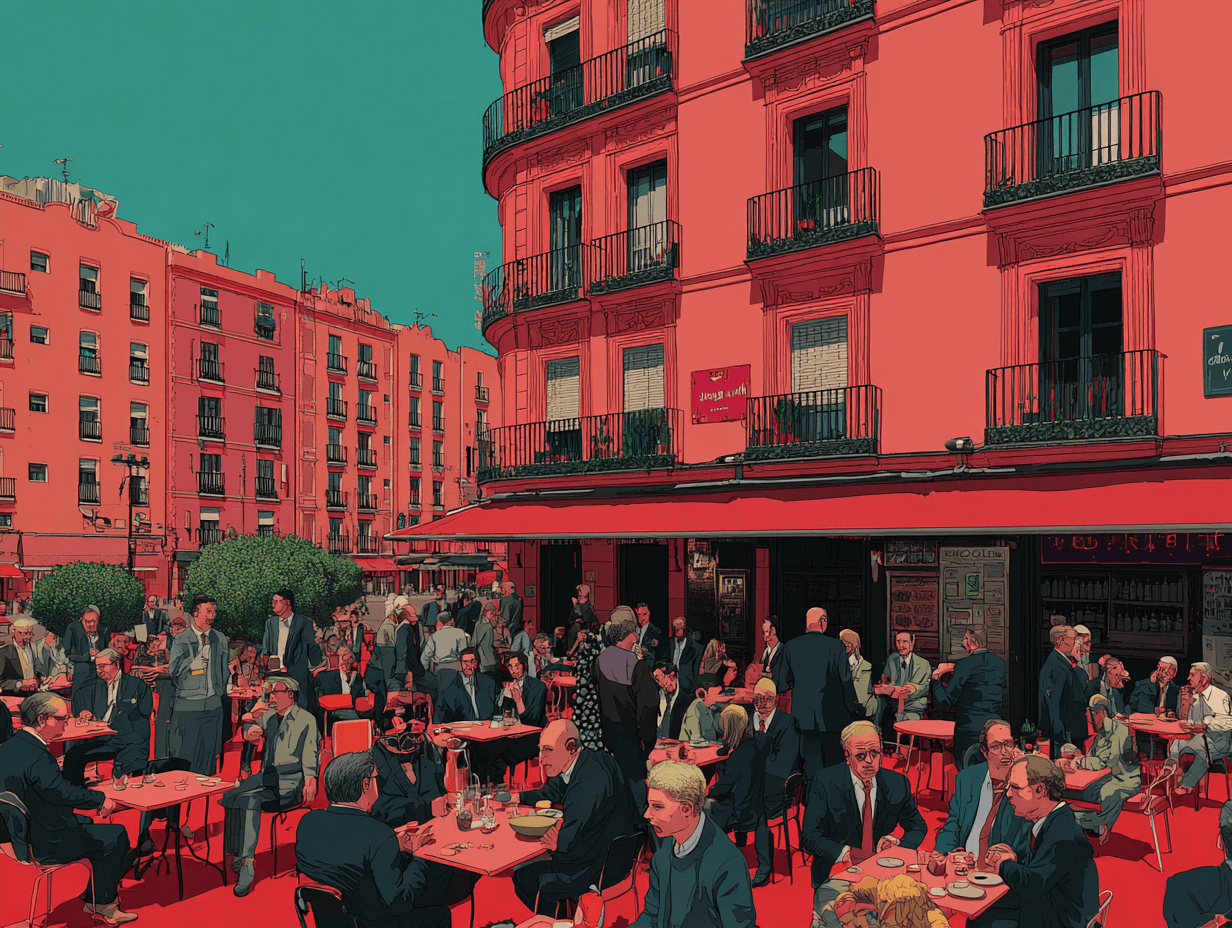
Where to Eat in Madrid: Too Good for Tourists?
Five traditional restaurants and taverns with something better than a secret address: a reason to go
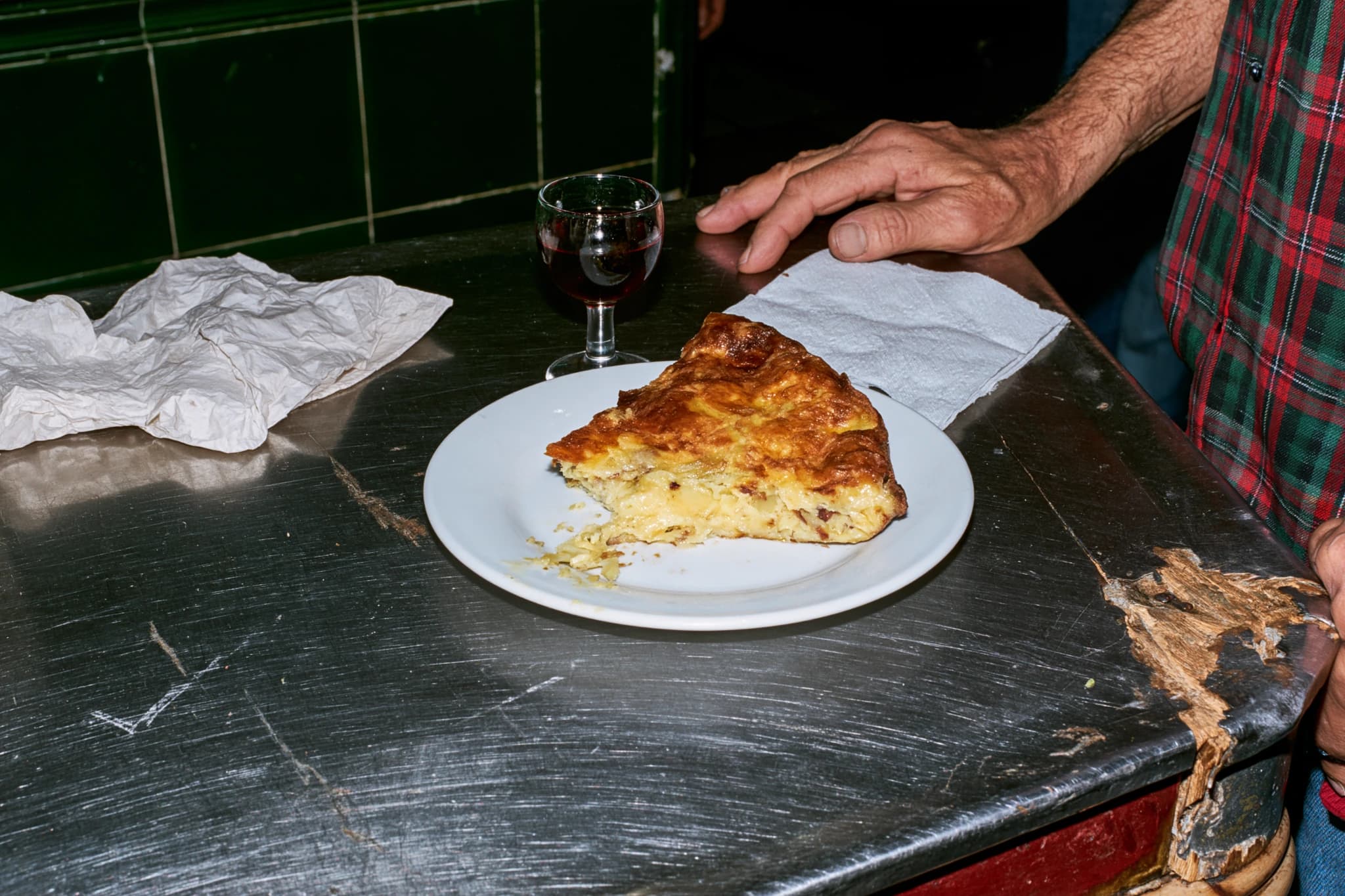
Madrid / Grub
The worst advice about eating in Madrid is to avoid anywhere tourists go. It would rule out a cod tavern from 1860, a cider house in a former railway depot, and several very good lunches. The useful question is what to order when you get there.
Updated 21 September 2026. This is a researched guide to traditional Madrid eating, based on restaurant websites, published menus and Madrid's official tourism listings. It is not a claim of anonymous inspection or a survey of where residents eat. Prices below are published online prices checked on that date; confirm the menu when you visit.
Where should you eat in Madrid?
Start with Casa Labra for cod near Sol, Casa Revuelta for a quick battered-cod stop near Plaza Mayor, Casa Mingo for roast chicken and cider, Bodegas Rosell for a sit-down meal near Atocha, and Malacatín for cocido madrileño in La Latina. They suit different kinds of meals. Trying to treat all five as interchangeable “hidden gems” is how useful advice becomes wallpaper.
| Place | Address | What to go for | Plan around |
|---|---|---|---|
| Casa Labra | Calle de Tetuán, 12 | Fried cod and cod croquettes | A tavern stop near Sol; see restaurant-room caveat below |
| Casa Revuelta | Calle de Latoneros, 3 | A pincho of battered cod | A short stop; its separate restaurant is on Cuchilleros, 10 |
| Casa Mingo | Paseo de la Florida, 34 | Roast chicken and cider | A meal around Príncipe Pío and San Antonio de la Florida |
| Bodegas Rosell | Calle del General Lacy, 14 | Cod, croquettes and tortilla | A reserved table near Atocha |
| Malacatín | Calle de la Ruda, 5 | Cocido madrileño | A substantial meal in La Latina |
Addresses and specialities are sourced in the individual entries below. For the wider trip, start with our Madrid guide; for drinks afterwards, use the Madrid bars hub.
Madrid doesn't owe you a secret restaurant
There is a particular kind of travel advice that turns lunch into an entrance exam. No English menu. No website. No visitors. Ideally, somebody's grandmother has to unlock the door. This is a ridiculous amount of administration for a croquette.
It also fails a basic fact check. Casa Labra has stood near Puerta del Sol since 1860. Casa Mingo openly welcomes tourists on its own website. Neither needs to be smuggled out of a private address book to earn a place in your plans. Their appeal is specific: cod in one case, roast chicken and cider in the other. Sources: Madrid Tourism on Casa Labra, Casa Mingo.
A more useful way to choose is to ask three questions. What does this place specialise in? Is it suited to the meal you want? Can you understand the bill before you order? Those questions won't make you feel like the first person to discover Madrid. They might get you fed properly.
The five places below are a deliberately narrow introduction to traditional taverns and restaurants. They are not a complete account of a city whose food extends well beyond croquettes, cod and century-old dining rooms.
1. Casa Labra: the case against avoiding Sol
Address: Calle de Tetuán, 12. Go for: fried cod and cod croquettes. Use it for: a focused food stop while you're in the centre.
Casa Labra is an awkward fact for anyone insisting that worthwhile food begins three Metro stops beyond the sights. Founded in 1860, it sits near Puerta del Sol and makes cod its calling card. Its documented speciality gives you a more useful starting point than a marketing adjective. Source: Madrid Tourism.
Our suggested approach is simple: make this a cod stop, then continue your day. You don't need to turn every famous tavern into a three-course commitment. Nor does a central address need an apology attached to it.
Before you go: the official tourism listing currently marks the restaurant room as closed while listing tavern service. Treat it as a tavern visit and confirm directly if you want a seated restaurant meal. That distinction matters more than whether the person beside you owns a Madrid postcode. Current listing.
2. Casa Revuelta: order the thing they've built the business around
Address: Calle de Latoneros, 3. Go for: bacalao rebozado, battered cod. Use it for: a short stop near Plaza Mayor.
Casa Revuelta identifies its battered cod as the house speciality and says it has used the same recipe since 1966. There are two addresses to distinguish: the tavern on Latoneros and the restaurant on Calle de Cuchilleros, 10. Save the correct one rather than assuming every listing leads to the same room. Source: Casa Revuelta.
The tavern's published menu makes the ordering decision unusually easy. A cod pincho is listed at €5.10, a caña of beer at €1.90, and a half-portion of callos a la madrileña at €6.50. One cod pincho plus one caña therefore comes to €7 at those listed prices. That's a snack calculation, not a promise of a complete lunch for seven euros. Source: official tavern menu.
This is the advantage of choosing a place for a particular dish: you can arrive with a modest plan and judge it on something concrete. Order the cod first. Decide whether you want more afterwards. A bar crawl needn't become a competitive eating event at the opening stop.
3. Casa Mingo: roast chicken, cider and a railway building
Address: Paseo de la Florida, 34. Go for: roast chicken and cider. Use it for: a meal on the Príncipe Pío side of the city.
Opened in 1888, Casa Mingo occupies a former railway depot. Madrid's tourism office describes a building furnished with wood, barrels and bottles, close to the San Antonio de la Florida chapel with its Goya frescoes. The setting gives you a useful afternoon pairing: a cultural visit and a meal with an identity of its own. Source: Madrid Tourism.
The restaurant names roast chicken and its own cider as the central attraction. It also advertises an all-day kitchen, useful when your sightseeing has swallowed the lunch hour. Confirm the day's service before making a special trip. Source: Casa Mingo.
There is a more interesting detail in the menu than another claim about authenticity: bar and table prices differ. The online menu lists a whole roast chicken at €9.80 at the bar and €15 at a table. A salad is €6.10 or €9.50, respectively. At the listed table prices, chicken plus salad totals €24.50 before drinks, bread or extras; how far that goes depends on appetites. Source: official menu.
That is something you can actually plan with. Decide whether you want a table, read the corresponding column, and order accordingly. The romance of an old dining room survives knowing what lunch costs.
4. Bodegas Rosell: give Atocha more than a station sandwich
Address: Calle del General Lacy, 14. Go for: cod, croquettes and tortilla. Use it for: a sit-down meal around an Atocha arrival or departure, with time to spare.
Bodegas Rosell gives you a reason to put a meal near Atocha into the itinerary deliberately. Madrid's tourism office highlights its tiled façade and a menu featuring cod brandade, tortilla, and croquettes made with Cabrales cheese, cod or ham. It recommends reservations. Source: Madrid Tourism.
Our suggested order is to choose a cod dish, then ask what portion sizes make sense alongside croquettes or tortilla. That's a starting point for a conversation with the staff, rather than a fixed tasting menu invented at a distance.
The attraction here is the shape of the visit: sit down and give the meal some time. If you've got a train to catch, tell the restaurant your deadline before ordering. A nearby address doesn't make a full lunch instantaneous.
Booking note: use the contact details in the official tourism listing to check availability and current prices. We haven't reproduced its broad budget category as a current meal price; it doesn't specify what your order would include.
5. Malacatín: give cocido its own place in the day
Address: Calle de la Ruda, 5. Go for: cocido madrileño. Use it for: a substantial meal in La Latina.
Malacatín began in 1895 as a wine and liqueur shop opened by Julián Díaz García. Madrid's tourism office dates the addition of home cooking to the 1950s and describes its signature cocido being served in three stages. That's a history with actual changes in it, rather than the usual fantasy that a restaurant has remained frozen since its first customer. Source: Madrid Tourism.
Choose it when you want the meal to be an event in the day. Our advice is to book, confirm the cocido service and price, and leave some room in the schedule afterwards. Combining it with two preceding food stops simply because they sit nearby on a map defeats the point.
Madrid Tourism places Malacatín in its €31–45 category. That is a broad planning indication, not a verified current price for the cocido or an all-inclusive bill. Ask what is included when booking. Listing and restaurant contact.
How to avoid a disappointing meal without playing authenticity police
Read the actual menu before committing. Look at individual prices, portion sizes and any separate bar, table or terrace columns. Casa Mingo's published menu is a concrete example of why the seat you choose can affect the price. Check drinks and extras as well as the headline dish. Casa Mingo menu.
Ask a specific question. “What is good?” invites a very broad answer. “Which cod dish would you recommend for two people sharing?” tells the staff what you need. If you're considering a set lunch, ask which courses, drinks and extras are included before comparing its price with à la carte dishes.
Choose the format before the venue. A brief tavern stop, a shared lunch and a booked cocido meal solve different problems. Decide how hungry you are and how much time you have. Then choose the address. This is less glamorous than hunting for a secret, but considerably more effective.
Don't use language as a quality score. An English translation tells you that someone translated the menu. It cannot tell you whether the kitchen fries cod well. The same goes for old tiles, a handwritten board or the absence of an Instagram account. Atmosphere is part of a meal; it isn't evidence that the food is good.
Three ways to fit these places into a Madrid weekend
For a central snack route: choose Casa Labra near Sol or Casa Revuelta near Plaza Mayor. If comparing the two cod specialists appeals, keep the first order small and check both services before setting off. Finish with a walk rather than automatically scheduling another restaurant.
For an afternoon around Príncipe Pío: pair Casa Mingo with San Antonio de la Florida. Check the chapel's visiting arrangements separately; the restaurant's kitchen hours don't tell you when you can see the frescoes.
For a meal to book around: choose Malacatín for cocido or Bodegas Rosell around Atocha. Give either a proper slot. These are alternative plans, not five compulsory boxes to tick in one afternoon.
If the evening is still open, our Madrid bars guide covers places to build a night around. For a more focused follow-on, browse Madrid wine bars or cocktail bars.
Frequently asked questions
Where can I eat traditional food near Puerta del Sol?
Casa Labra, at Calle de Tetuán, 12, is a central option for fried cod and cod croquettes. Plan a tavern visit: the tourism listing currently marks its restaurant room as closed. Source.
What should I order at Casa Revuelta?
Start with its signature battered-cod pincho. The Latoneros tavern's online menu lists it at €5.10; a caña is €1.90. Check the menu on arrival, and distinguish the tavern from the separate Cuchilleros restaurant. Official menu.
Where can I try cocido madrileño in Madrid?
Malacatín, at Calle de la Ruda, 5, is one traditional option, with cocido documented as its signature dish. Book and confirm the current service, price and inclusions directly. Source.
Does Casa Mingo charge the same at the bar and at a table?
No. Its published menu has separate bar and table columns. For example, the roast chicken is listed at €9.80 at the bar and €15 at a table. These are online prices checked on 21 September 2026. Official menu.
Are these restaurants suitable for vegetarians?
This selection centres on fish and meat specialities, so it isn't a vegetarian dining guide. Some published menus include tortilla, cheese or salad, but ask directly about ingredients and preparation before treating those as suitable options. Casa Mingo's menu gives you a starting point.
Are these really places only locals know?
No, and we make no such claim. They are publicly documented businesses with histories, menus and addresses you can check. Their usefulness comes from knowing what each offers, not from pretending the rest of the internet hasn't found them.
Sources and how we selected the places
We selected five establishments with documented traditional specialities and distinct uses for a visitor: central tavern stops, a chicken-and-cider meal, a table near Atocha and a cocido destination. Historical and location details come from the linked Madrid Tourism entries; specific dish prices come from the restaurants' own menus. Ordering suggestions and itinerary choices are our editorial judgement.
We have not inferred who eats at these places, invented conversations with residents, or presented online research as a personal restaurant visit. Source pages can lag behind service changes; the date above records when we checked them, not a guarantee that every business updated its website that day.
Take the addresses. Check the menus. You don't need to earn the right to a good lunch.