Europe's New Sobriety
A generation redefining fun, health and what a night out is for
Europe / Culture
A LocoWeekend look at why younger Europeans are drinking less, how no- and low-alcohol culture keeps growing, and why nightlife is being redesigned around moderation, health and control.
Europe still knows how to go out. It just increasingly prefers to remember it.
That is the broad cultural shift behind the new sobriety conversation. The old binary no longer works. This is not simply about abstinence, moral panic, or people becoming boring. It is about nightlife, identity, health, and social self-presentation being renegotiated at the same time.
A generation that grew up inside fitness culture, wearable health metrics, and permanent online visibility is approaching alcohol differently. The effect is not prohibition. It is recalibration.
Younger people are drinking differently
Public-health data and market analysis both point in the same general direction: younger consumers are helping reshape alcohol culture.
WHO/Europe continues to track alcohol use among adolescents across Europe, and although the story is not neatly linear, the wider cultural discussion is now less about drinking as default and more about risk, moderation, and substitution. On the commercial side, IWSR's no/low analysis describes the category's sustained growth and explicitly links it to moderation trends and younger demographics.
That matters because behaviour changes at the edges first. Culture follows afterwards.
No/low is no longer a side shelf
For a long time, alcohol-free drinks were treated as either functional substitutes or punishment beverages. That era is closing.
The no- and low-alcohol sector has become aesthetically legible. Menus now make room for it. Branding has improved. Taste has improved. Bars no longer have to apologise for putting effort into the alcohol-free section. In many European cities, the choice now feels normal rather than exceptional.
That shift is partly commercial, but it is also social. People increasingly want the night without the hangover tax. They want the meal, the soundtrack, the flirtation, the bar stool, the ritual, the group, the late train home — just not necessarily the obliteration.
Why nightlife is changing
The strongest explanation is not puritanism. It is optimisation.
Younger consumers are more likely to think in terms of sleep quality, gym performance, mood stability, productivity, and image management. Even people who still drink heavily on occasion often now frame it as a conscious deviation rather than the expected setting for all socialising.
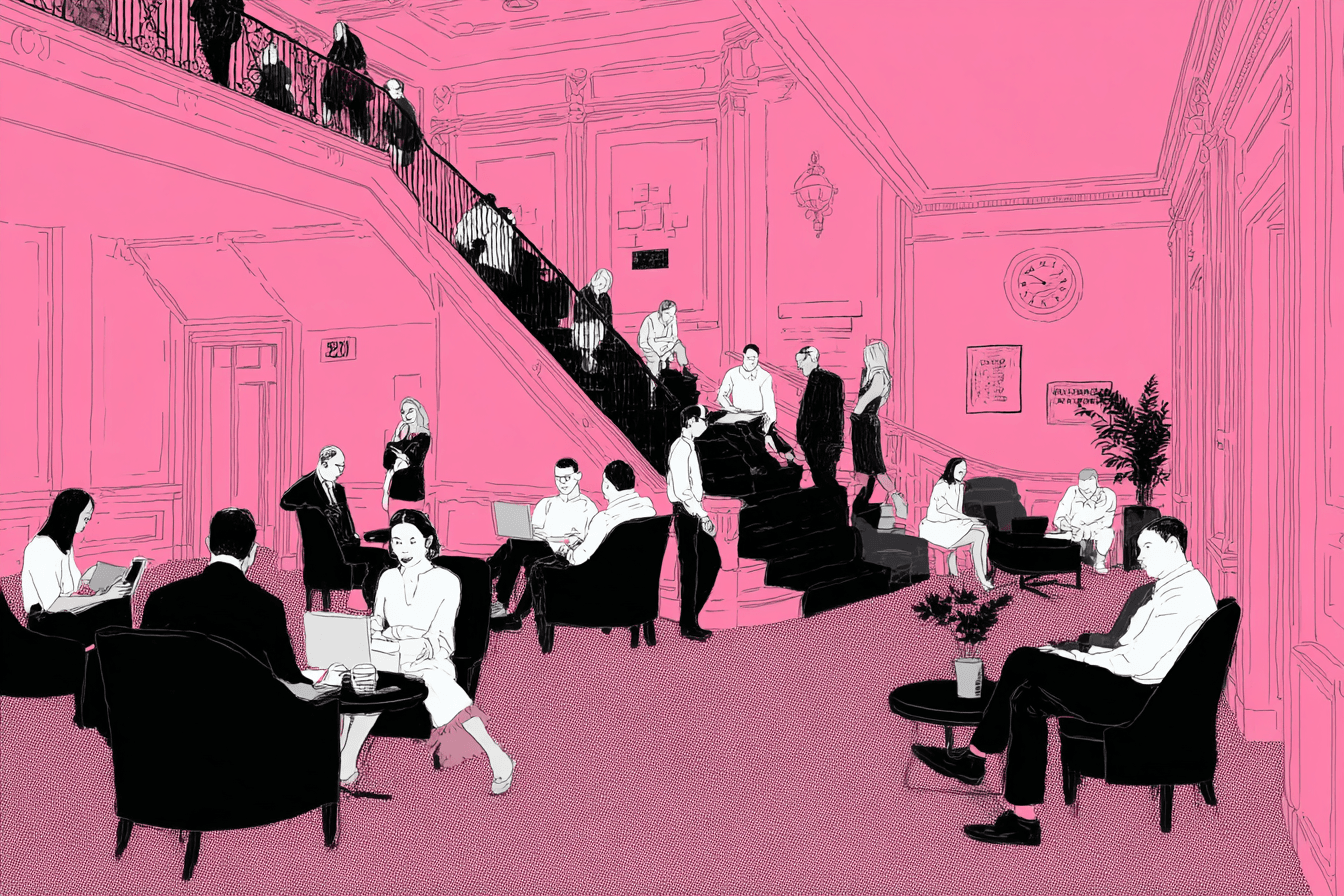
That changes nightlife at street level. The point of going out moves away from intoxication as the central engine of the evening and toward atmosphere, food, music, conversation, aesthetics, and control.
In other words: the night out survives, but its purpose is shifting.
Europe is not getting dull
This is where the laziest reading goes wrong.
Reduced alcohol centrality does not automatically mean reduced social life. It often means the opposite. It allows more kinds of people to occupy the same nightlife space on different terms. The designated driver is no longer condemned to misery. The person training for something can still stay late. The person who simply does not want to drink can remain socially legible rather than defensive.
The better bars have already noticed. They now compete on atmosphere and intelligence, not just proof.
The aesthetics of moderation
One reason this change feels bigger than a simple consumer trend is that it aligns with a broader shift in self-presentation.
A visibly chaotic night out once carried a kind of glamour. That glamour has weakened. In the era of phones everywhere, many people would rather look composed than obliterated. Wellness culture, for better and worse, has made bodily management part of mainstream identity.
That has made moderation aspirational in ways it was not before.
What happens next
The most likely future is not alcohol disappearing. It is alcohol losing monopoly.
Beer, wine, spirits and cocktails will remain culturally important across Europe. But they will increasingly coexist with more sophisticated non-alcoholic options, more flexible social norms, and a nightlife culture less dependent on excess as proof of fun.
That is what makes this interesting. The sober turn is not anti-pleasure. It is anti-default.
If you liked this, pair it with The Subscription Trap for another piece about behavioural redesign, and Sailing the Balearics for the Mediterranean version of wanting the mood without the damage.
Europe is not quitting the party. It is rewriting the terms.