Is Berlin Overrated?
A reality check on Europe's most mythologised creative city
Berlin / Culture
Berlin built its reputation on freedom, nightlife and creativity. But in 2026 the question is increasingly asked: has the city lost the edge that made it famous?
Few European cities have enjoyed the cultural mythology Berlin has.
For decades the city represented something close to urban freedom: cheap rent, underground clubs, artists moving in by the thousands, and nightlife that refused to behave like nightlife anywhere else.
But every legendary city eventually faces the same question.
Has Berlin become too successful for its own myth?
The Berlin reputation
Berlin’s reputation was built on three pillars:
• radical nightlife
• cheap creative living
• a strong experimental arts scene
Clubs like Berghain became global symbols of Berlin nightlife, while neighbourhoods like Kreuzberg and Neukölln turned into magnets for artists, musicians and designers.
For a long time, the city offered something many Western capitals no longer could: space.
The gentrification question
That space has gradually shrunk.
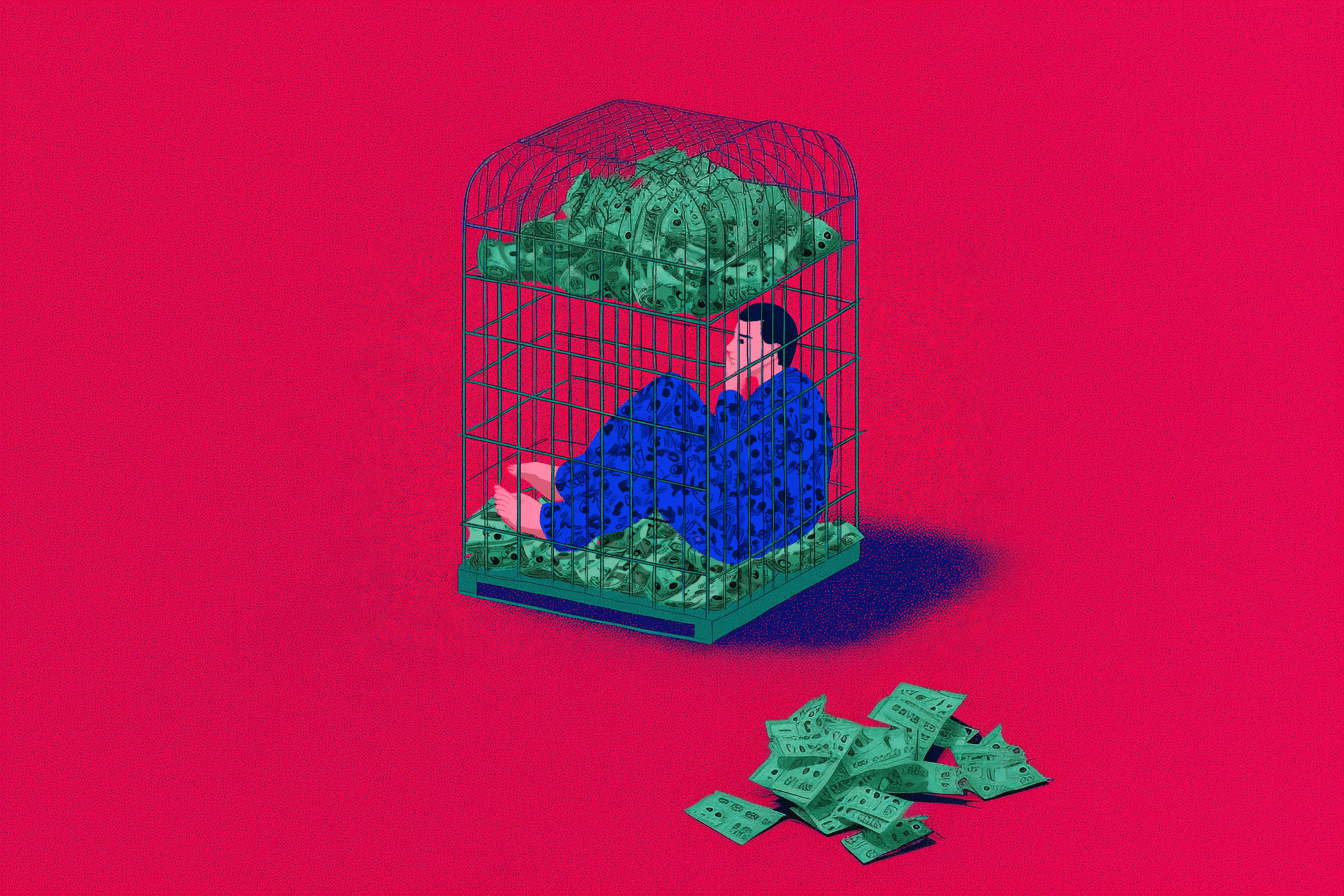
Rents have risen sharply over the last decade, pushing out many of the artists and communities that originally gave Berlin its reputation. The result is a familiar urban paradox: the creative culture that made the city attractive becomes harder to sustain as popularity grows.
The conversation now feels similar to earlier debates about London, New York and Paris.
Why Berlin still matters
Despite those pressures, Berlin still offers something distinctive.
The city remains one of the most important centres for contemporary art and music in Europe. Venues like Hamburger Bahnhof continue to host major contemporary exhibitions, while the Berlinale remains one of the world’s most influential film festivals.
Berlin also benefits from something harder to quantify: historical depth. The city’s twentieth-century history still shapes its architecture, politics and cultural identity in ways visitors can feel immediately.
The real answer
So is Berlin overrated?
Only if you arrive expecting the city of 2005.
Berlin in 2026 is no longer Europe’s cheapest creative playground. But it remains one of the continent’s most culturally complex capitals — a place where art, history and nightlife still intersect in ways that feel difficult to replicate elsewhere.
The myth may have changed, but the city is still worth the argument.
For another cultural deep dive, read Europe's New Sobriety.