Why Madrid Still Has Better Night Energy Than Bigger European Capitals
What the city still understands about districts, appetite, looseness and the emotional architecture of a real evening
Madrid / Culture
Madrid still has better night energy than bigger European capitals not because it tries harder, but because it understands continuity: the way a city should move from afternoon to night without becoming artificial.
Madrid still has better night energy than many bigger European capitals, and the reason is not simply that people stay out late.
Late hours are part of it, obviously. But plenty of cities now have late bars, late kitchens, late clubs, late booking slots and late-branded nightlife districts. None of that automatically produces atmosphere. In fact, in some capitals, the machinery of going out has become so visible that the night feels less alive the more professionally it is marketed. Too many lists, too many reservations, too much queue choreography, too much money spent before anyone has actually relaxed.
Madrid still feels different because the city does not have to become a different city at sunset.
That may be the whole secret.
The evening here still grows out of the day
In a lot of larger capitals, day life and nightlife feel like separate industries. The city is one thing at 4pm and another at 10pm. People reset, relocate, re-costume and re-enter. The evening begins to feel like a product.
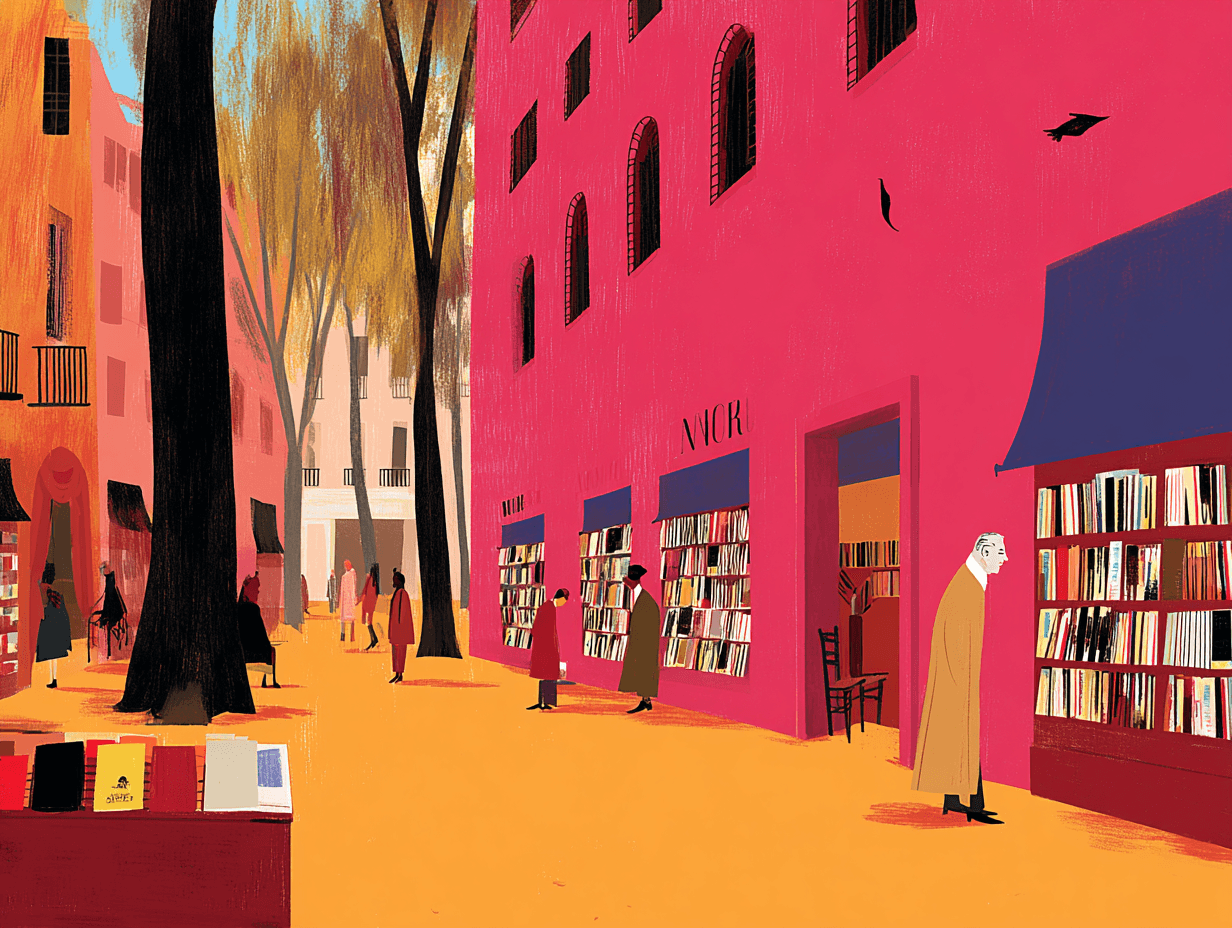
Madrid is better when it refuses that split. A good night often accumulates instead of starting. A walk becomes a drink. A drink becomes dinner. Dinner becomes wine or cocktails. Another district becomes possible. Another bar becomes likely. The city keeps carrying the feeling rather than dropping it between venues.
That continuity matters more than any single restaurant or bar.
It is also why this piece belongs alongside best cocktail bars in Madrid right now, best wine bars in Madrid right now, best neighbourhoods in Madrid for a weekend, and the coolest streets in Madrid. All of them are really about the same thing: how the city holds together after dark.
Streets still participate in the night
One of Madrid’s great advantages is that the street still matters. In weaker nightlife cities, the evening exists mostly inside sealed venues. The street between them is dead transit space. It is something to cross, not something that contributes.
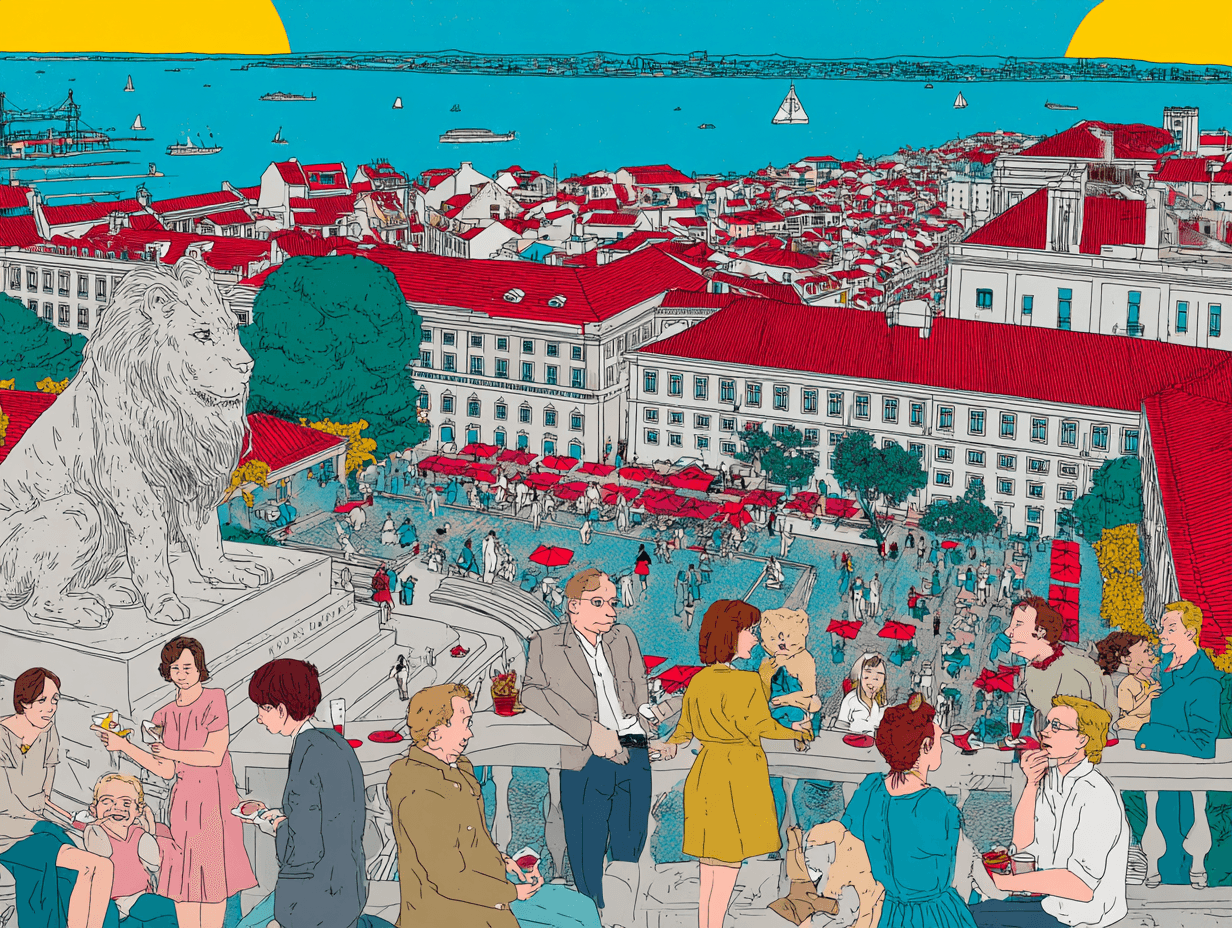
Madrid still lets the district do part of the work. Squares matter. Corners matter. Walks matter. The move from one place to another still carries social voltage. That makes the whole night feel more distributed, more breathable, more like city life and less like venue consumption.
Official Madrid tourism still frames areas like La Latina, Chueca, Malasaña and Barrio de las Letras through nightlife as much as through sightseeing, which is telling. These are not just places with bars in them. They are districts whose identities still include the evening.
Appetite is part of the nightlife, not separate from it
This is another thing Madrid understands better than many richer capitals. Food is not just pre-game or interruption. It belongs to the night. Appetite and social life remain connected here in a way that feels increasingly rare.
That is why districts like La Latina matter so much. Official tourism still describes the area as lively through the day and late into the night, with tapas bars, terraces, venues and open social life shaping the district’s character.
A city becomes more alive after dark when the route from dinner to drinks does not feel like a genre change. Madrid gets that instinctively.
Different districts, different temperatures
The city does not flatten nightlife into one single mood, and that is another reason it stays rich.
Malasaña
Malasaña still gives you one of the loosest and most improvisational versions of a Madrid night. Official tourism continues to describe it as lively at any time and ties it directly to the history of the Movida and the city’s nocturnal identity.
What that means in practice is simple:
- the area already feels socially alive before the “big plan” starts
- side streets and bars help the night drift naturally
- the district still suits people who want movement more than polish
Chueca
Chueca is brighter, cleaner and more visibly switched on. Tourism Madrid still presents it as one of the city’s defining nightlife zones, all welcome, all energy, all small bars and larger venues cheek by jowl.
This is the district for:
- polished nights
- centrality
- evenings that want to feel stylish without becoming stiff
Barrio de las Letras / Huertas
Barrio de las Letras is one of the best examples of Madrid’s ability to keep culture and nightlife in the same sentence. The official district guide still frames it through art, culture, food, shopping and nightlife all together; the nightlife pages emphasise Huertas as one of the capital’s strongest evening zones.
That matters because it lets the evening feel textured rather than purely hedonistic.
La Latina
La Latina is appetite-led Madrid. It is the version of the city that feels social almost by default, where terraces, tapas, bars and group movement all feed one another. It is not subtle, but it is deeply effective.
What bigger capitals often get wrong
Madrid’s edge becomes clearer when you compare it to cities that have become over-managed at night.
They often make the same mistakes:
- they mistake reservations for atmosphere
- they mistake expense for intensity
- they mistake exclusivity for energy
- they mistake being seen for actually enjoying being out
The result is a nightlife culture that can look desirable from a distance but feel oddly dead on contact. Madrid still avoids enough of that machinery to keep the evening emotionally easy.
A better way to use Madrid at night
If you want the city at its best, the answer is not to cram your evening with “must-go” addresses. It is to choose well early, then leave space.
A strong Madrid night usually needs:
- one district that suits your mood
- one good first drinks decision
- room for appetite
- room for walking
- room for the night to change shape
That is also why best cocktail bars in Madrid right now and best wine bars in Madrid right now are best used as aids to the first decision, not as treasure maps to be completed.
External references worth checking
If you want the official district/nightlife overviews, start here:
- Madrid nightlife areas
- Nightlife: La Latina
- Nightlife: Chueca
- Nightlife: Malasaña
- Barrio de las Letras
Why Madrid still wins
Madrid still has better night energy than bigger European capitals because it understands that nightlife is not a category separate from city life. It is one of the ways city life continues.
The districts still contribute. The streets still contribute. Food still contributes. Walking still contributes. The evening does not have to be bought whole from a venue.
That is why Madrid can still feel alive after dark in a way richer, bigger and more globally mythologised capitals increasingly struggle to match.
The city has not forgotten that a night out is supposed to unfold.
And that makes all the difference.